




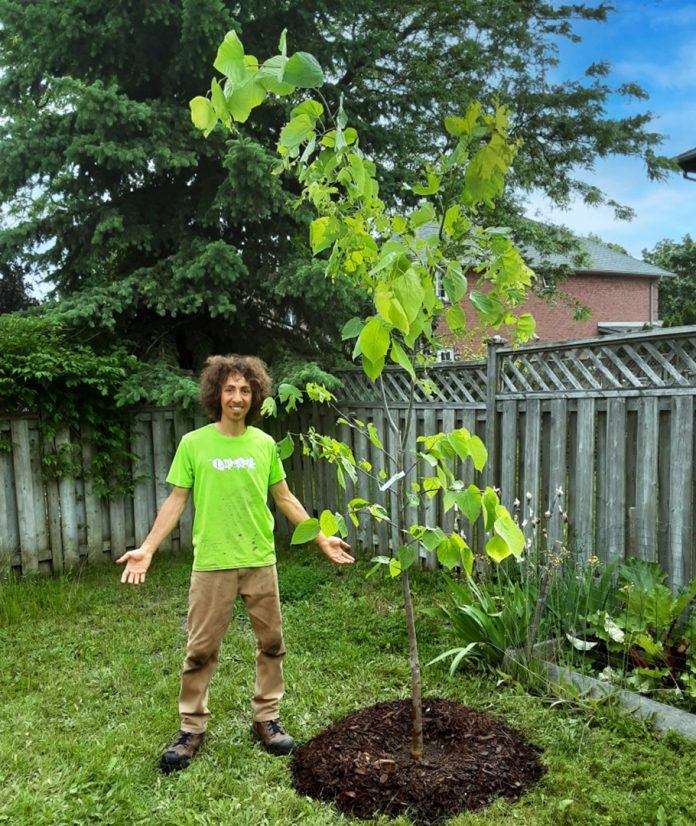

In Durham Region, planting a tree is becoming part of a broader regional response to climate change, blending community action with environmental planning.
Since declaring a climate emergency six years ago, Durham Region has been working with municipalities and partners such as Local Enhancement and Appreciation of Forests (LEAF) to build more resilient communities.
One of the most visible outcomes of that commitment is LEAF’s collaboration with the region.
The program has been offered in Ajax since 2015, helping residents plant native trees and shrubs on private property, an area often overlooked in municipal planting efforts.
Since then, through this program 1,418 trees and 1,304 shrubs have been planted on private property in Durham.
For LEAF, the program is about more than planting, it’s about connection.
“Our mission is to engage communities in nurturing the urban forest through planting, stewardship and education,” said executive director of LEAF Janet McKay.
Ian McVey, Durham Region’s Director of Environment and Climate, said the program has grown steadily over the past several years.
“Trees are really valuable, providing a lot of benefits to the region, to communities,” he said. “The benefits of a tree aren’t just immediate to the house or building that it’s next to, but you’ve got a lot broader benefits.”
Those benefits include managing stormwater, reducing flood risks and providing shade from extreme heat. Trees also improve air quality, reduce energy use and support the mental and physical health of residents.
The program is part of a broader effort to strengthen the urban forest, which includes every tree, shrub and plant across neighbourhoods. A healthy urban forest supports wildlife, improves air and water quality, and keeps communities cooler.
However, the system faces challenges. McKay said, “It is a struggle for nature to survive in areas where we prioritize roads and buildings and paving.”
LEAF plants native species such as sugar maple, red maple and oak.
“There are so many that naturally evolved in our ecosystem here,” McKay said, noting these trees provide food, pollen and habitat for wildlife.
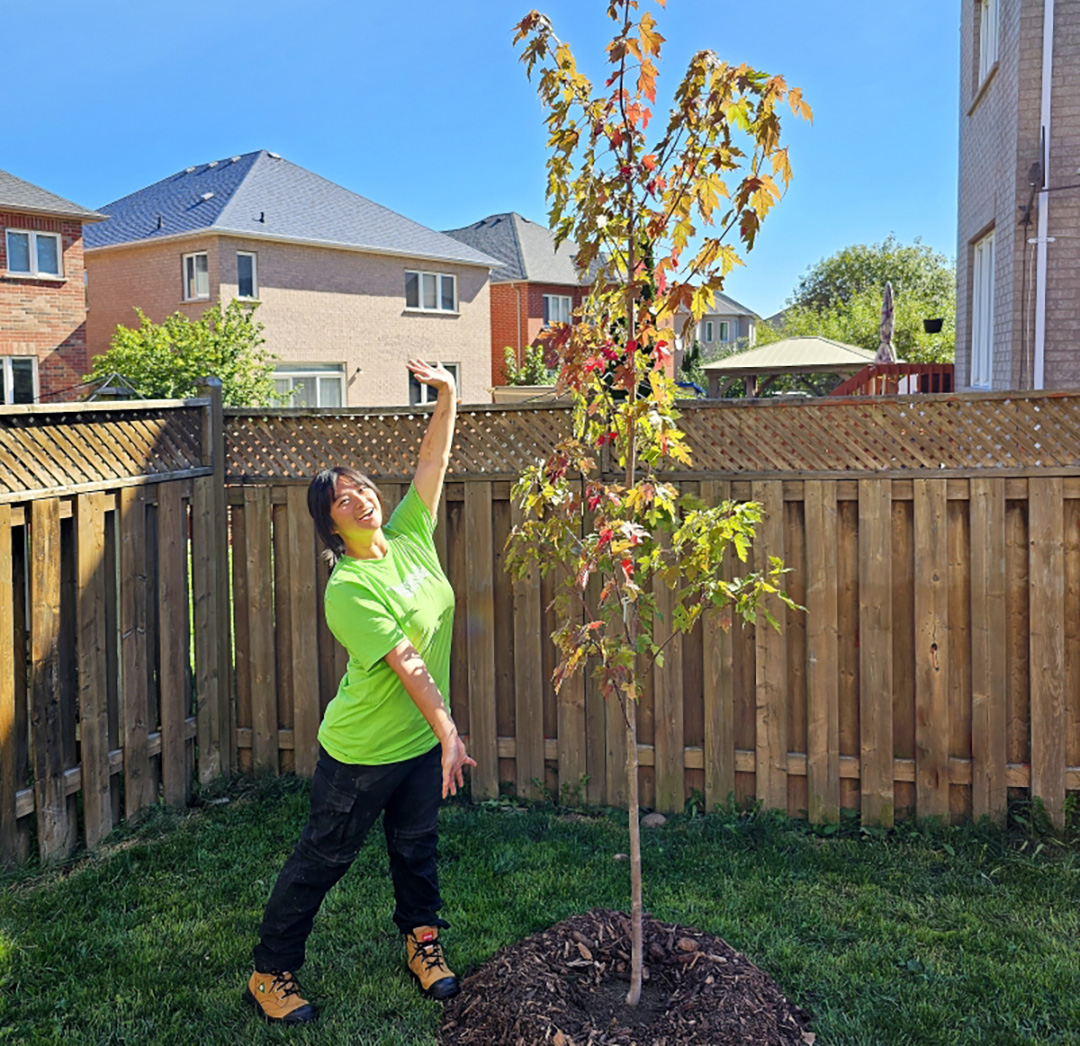
Through the program, residents receive a subsidized package including an arborist consultation, planting service and ongoing support. The service costs between $110 to $230, less than half the traditional cost.
Residents can get involved in many ways. Applications are open now, and the only requirement is the amount of space available.
Community members can also volunteer at public planting programs.
Both McVey and McKay said community involvement is essential to turning small actions into meaningful environmental change.