




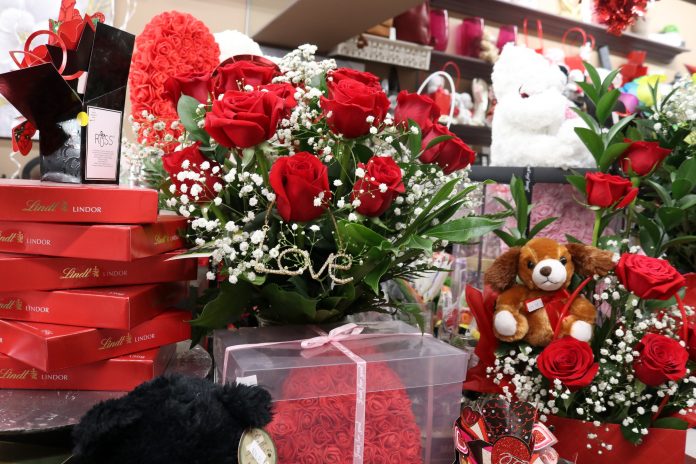

By the time Valentine’s Day ends, the heart balloons are drooping, the chocolate is on sale and flower shops are sweeping up fallen petals.
But for many Canadian businesses, Feb. 14 isn’t just a romantic holiday; it’s an economic event that ripples through multiple sectors.
Canada’s retail, restaurant and hospitality industries see predictable spending spikes around holidays, and Valentine’s Day is no exception.
Even in tighter economic times, many households still spend, though they may choose cheaper alternatives.
This year, costs for Valentine’s staples climbed sharply. According to analysis from The Century Foundation, prices for classic Valentine’s gifts, including chocolates and roses, were more than 15 per cent higher compared to last year. In some cases, bouquets increased by more than 16 per cent.
Rising costs don’t just affect couples; they change how people celebrate. A recent BMO survey found nearly half of single Canadians (49 per cent) say dating isn’t financially worth it in the current economy, and many say they’re going on fewer or less expensive dates because of the cost of living.
Yet roses and chocolate remain popular despite their cost, according to those in the industry.
At DMP Flowers and Gifts in Whitby, manager Tracy Horky said the public doesn’t always see the behind-the-scenes labour that goes into the busiest week of the year.
She added that misconceptions around price increases are common.
“A lot of people think florists just raise their prices at Valentine’s just to make money. Absolutely not true,” Horky said. “It’s a lot of labour that makes the prices go up.”
For small businesses, especially independent florists, Valentine’s Day remains one of the biggest weekends of the year. Owner of Lasting Expressions in Oshawa, Marlene Powdhar, described it as a major moment for the industry.
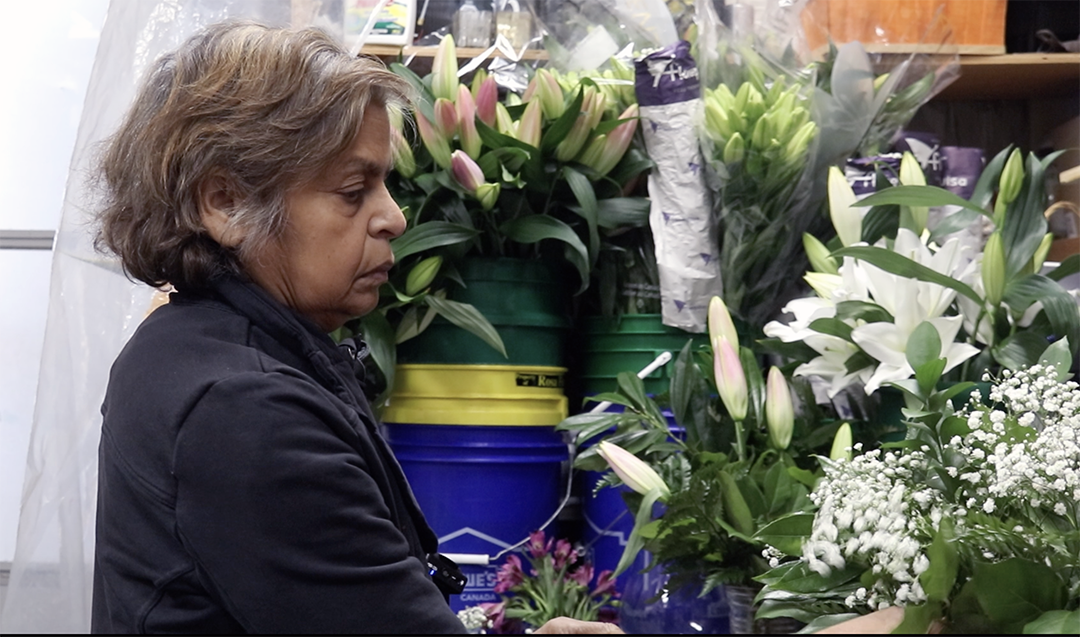
“Very big, very big day for our industry,” she said. “And we wait for this, it’s right after Christmas, and then you’re into Valentine’s.”
Horky said the rush is so intense that the holiday requires weeks of preparation and a full team.
“We’ve been prepping for a couple of weeks, getting boxes ready and bears and wrapping stuff that we can,” she said the rush is “craziness,” arranging more than 500 rose bouquets for the holiday.
Restaurants feel the shift, too. Valentine’s Day is one of the busiest nights of the year for sit-down dining, with prix-fixe menus, extra staff and tight reservation schedules.
According to OpenTable, 86 per cent of reservations were made one or more days in advance of Valentine’s Day, and 56 per cent were made one week in advance in 2025. OpenTable also said guests spend 21 per cent more per person on average on this day than they do typically.
Valentine’s Day lasts only 24 hours. But the economic impact from higher prices to changing consumer habits lingers long after the last bouquet is delivered.