




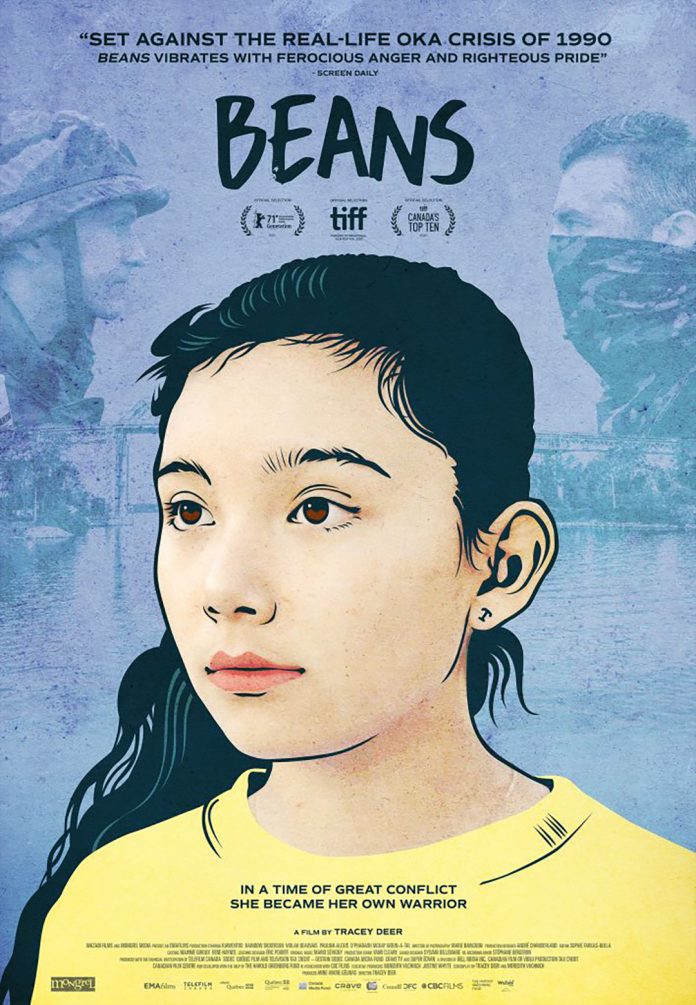

Most of us remember the childhood desire to project toughness and “coolness” to our peers. For the protagonist in Beans, that universal pre-teen awkwardness is compounded by racial systemic hostility.
Beans uses the relatable feeling of not fitting in as a pre-teen to showcase what it was like to be Indigenous during the Resistance at Kanehsatake, commonly referred to as the Oka Crisis. Using this approach, the movie draws the audience in with great characterization while also acting as a vital educational tool for individuals who don’t know of this historical event.
The movie was directed by Tracey Deer, a Mohawk screenwriter, and was released on Sept. 13, 2020.
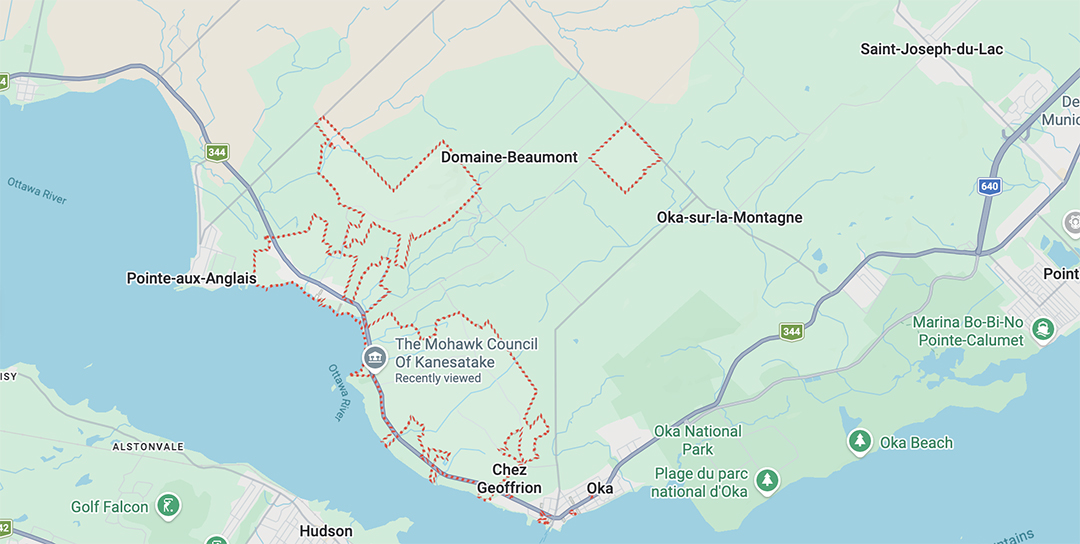
It is set in 1990 and follows Beans, portrayed by Kiawentiio, as she navigates being a pre-teen in Kanesatake, a Mohawk reserve in Quebec, Canada.
Beans’ character is what makes the movie so immersive. She is optimistic and dreamed of going to a prestigious high school. She also acts as a supportive older sister to Ruby.
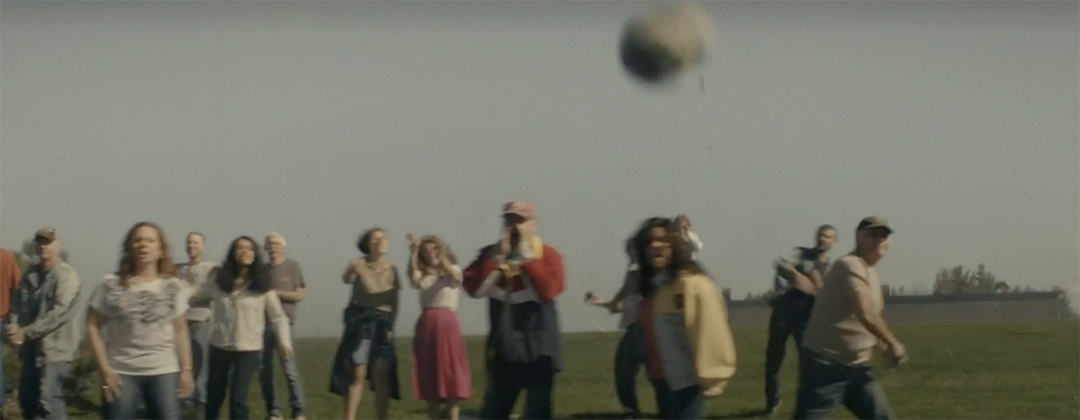
Throughout the movie, Beans experiences the horrors of the Resistance at Kanehsatake, from protests to police raids and rocks thrown at her family car. Seeing her people refused service at the grocery store and even getting spit on fuels her desire to be stronger to protect her family. To do this, she turns to a new friend to be her mentor.
Beans’ struggles of powerlessness and vulnerability are relatable but the Resistance at Kanehsatake influences her behaviour beyond what might be relatable. The way her character stops playing with her sister and begins to act tough ties in with how Indigenous People were forced to assimilate in residential schools. She is in survival mode.
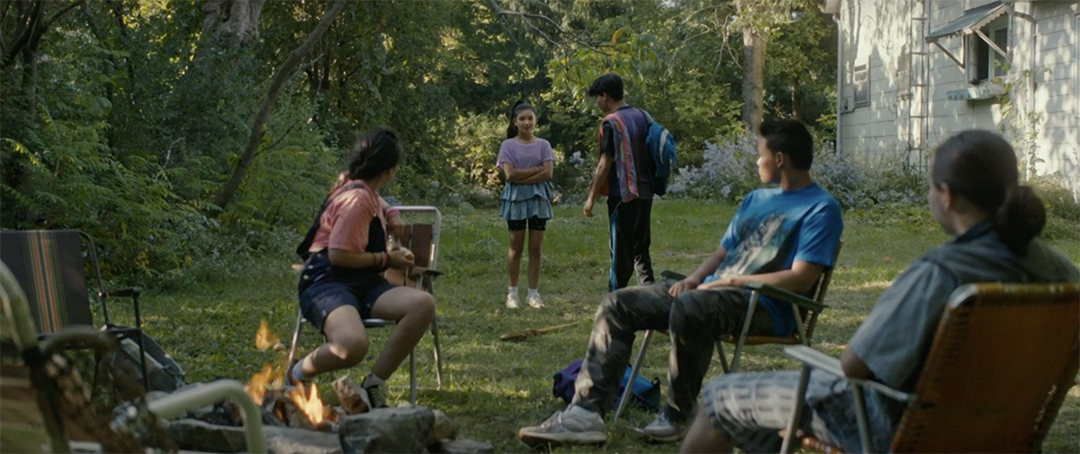
Witnessing the Quebecers protests and the overall treatment her people receive influences Beans’ behaviour and it becomes destructive. This shows how someone at an impressionable age of twelve-years-old can be affected by racism and colonial violence.
To deepen the immersive experience, Deer incorporates archival news footage from the 1990 Resistance at Kanehsatake. This does more than provide context. It forces the audience to confront the historical bias of the era. While many history books and classrooms refer to these events as the “Oka Crisis,” Deer’s use of the footage, seen through the eyes of the Mohawk community, challenges that label. By placing the viewer behind the barricades, the film transforms what the media framed as a crisis into a resistance. This shift in perspective validates the community’s struggle by exposing how the media originally worked to delegitimize it.
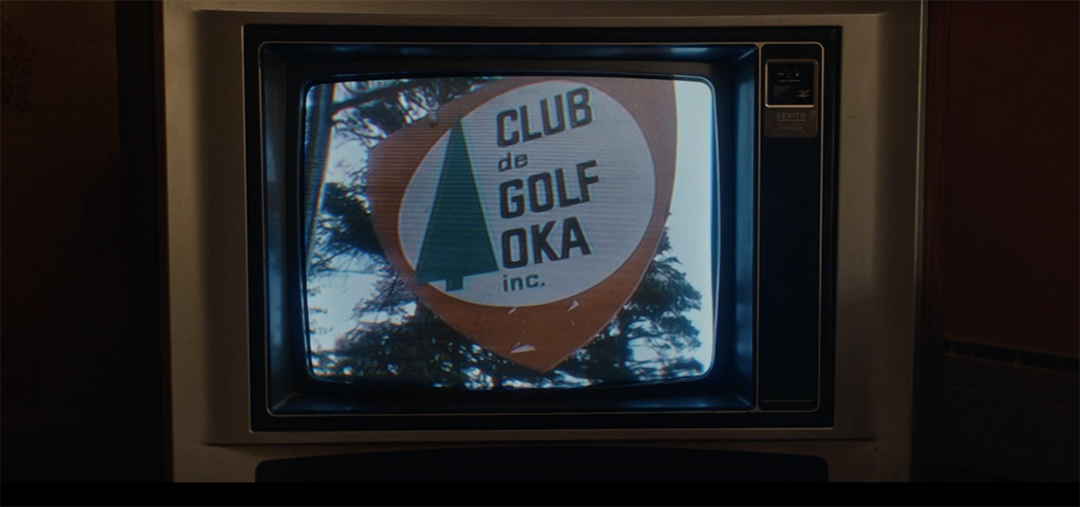
The movie’s emotional impact is further strengthened by its authenticity: the script was born from Deer’s own lived experience as a pre-teen during the Resistance. This intimate connection is apparent in the way Deer showcases the Mohawk People’s perspective and the human reality of the front lines. Her personal history bridges the gap between historical record and lived experience, allowing the audience to feel the weight of the Resistance at Kanehsatake rather than just witness it.
Knowing the movie is based on real life events, it brings forth the importance of accountability. The actors do a phenomenal job showing raw emotions in response to the colonial aggression. The mom, portrayed by Rainbow Dickerson, stands out through her screaming in response to not being able to get back to their home. Dickerson’s own Rappahannock heritage and her self-identification as a “daughter of colonization” lend a layer of authenticity to this role, as she channels a collective, historical grief that transcends simple acting.
While there are parts of the movie that make you want to scream along with the characters, Beans is highly recommended for those who are into coming-of-age stories and want to learn and reflect through an Indigenous perspective. The film serves as a necessary correction to the Canadian narrative by challenging the viewer to look past the ‘crisis’ and see the people, reminding us that while the barricades may have come down, the fight for sovereignty and self-worth continues for every Indigenous child coming of age.