




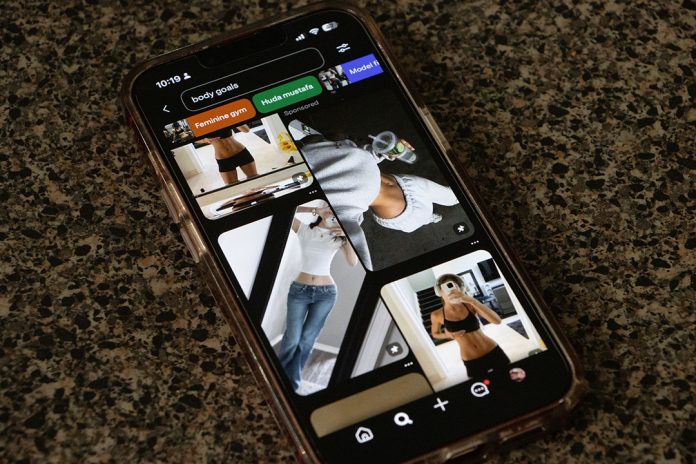

A new program at Ontario Tech University is helping students highlight the role – and responsibility – of content creators when it comes to how they influence audiences.
Emilia King, an assistant professor who helped launch the Social Media Communication in Online Creators program this year, says what’s shown on screen impacts the person on the other side.
“Through your work, through your content, you can either make someone’s experience a lot better, or you can really genuinely make them feel a lot worse about themselves,” she says.
There’s increasing concern from experts about the link between social media use and body dysmorphia.
A study by the University of Waterloo in 2024 found more than half of teenagers (21,277 youth) reported being dissatisfied with their bodies.
That number increased with higher social media screen time, especially on image and video-based platforms such as YouTube and Snapchat compared to text-based apps.
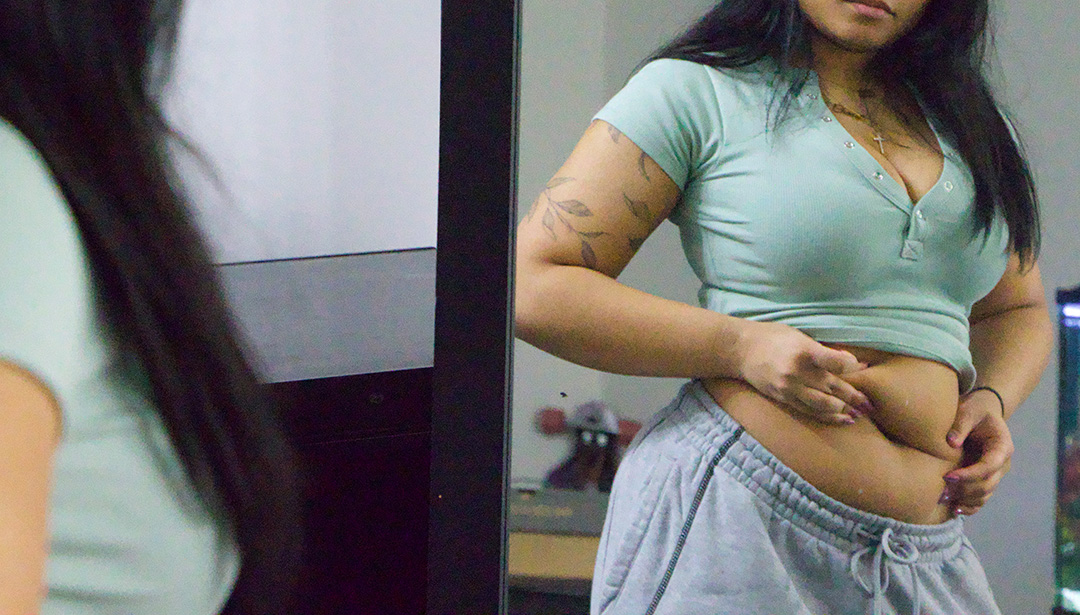
King says creators must consider the psychological, moral and ethical side of their posts and think critically.
“What impact could this have? And what are my responsibilities as a creator that has potentially a very large audience to my community that I’m building,” she says.
Sarah Nutter, a weight stigma researcher at the University of Victoria, explained the role of social media algorithms in reinforcing distorted body perceptions.
She says social media absolutely contributes to body dysmorphic symptoms.
“There’s research evidence to support that general Western media has contributed to body dissatisfaction,” she says. “What you engage with, you’ll see more. And that’s inherently reinforcing.”
She emphasized that repeated exposure to appearance-focused content can normalize unhealthy comparisons.
“If everybody else is doing it, must be true, it must be right…all of that is natural ways that our mind thinks and engages with new information and can, unintentionally, be pitfalls that lead us down a road,” she says, “reinforcing beliefs that aren’t true or ways of thinking that aren’t helpful for us.”
A recent University of Ottawa study found that “sponsored posts portraying ‘perfect’ body images negatively affected teenagers’ body perceptions.”
Both experts stress that parents, educators, policymakers and the social media platforms themselves have a role in protecting vulnerable users.
“Creators have a lot of power, and before, there used to be regulations about what can be posted,” says King. “Now, content mediation is being removed.”