




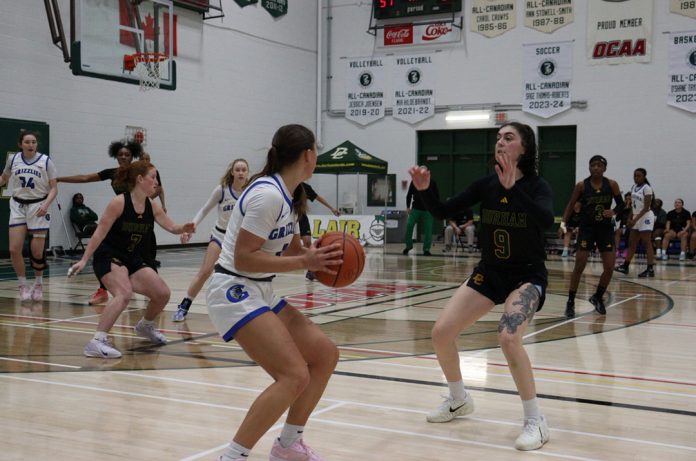

Early in the morning, while many college students are still asleep, hundreds of student athletes at Durham College (DC) are already at practice.
Right after practice they’re in class. After classes they’re at a game.
The jam-packed schedule of student athletes can be a challenge to many, impacting the way they move throughout their everyday lives.
It all comes down to having enough hours in the day.
“They’re all full-time students, they’re athletes, a lot of them have jobs away from campus,” says Zachery Ellis, the sports information and marketing coordinator at Durham College.
He says collegiate athletes are balancing school, sports, their social lives and even jobs.
“Athletics and academics take up a lot,” says Ellis.
He says student athletes often face challenges when trying to manage time.
The main concern is trying to balance everything without falling behind.
Financial pressures, time management struggles, physical and mental fatigue and academic eligibility all come into play.
Chelsea Oke, who plays varsity softball and volleyball at DC, says balancing academics and athletics impacts her mental health.
“It’s one thing dealing with that in the school setting, but also dealing with it on the sports side of it is also really overwhelming,” she says.
Oke is usually at school from 8 a.m. to 10 p.m., Monday through Friday.
She’s generally busy on weekends with games, depending on where she’s at during the season.
Oke also works on campus along with having two to three classes a day to attend.
She says “you’re always around the same person 24-7” which can sometimes contribute to increased stress.
Student athletes are also supplied with a mental health coach to talk about personal issues and handle interpersonal conflicts.
“If I didn’t feel comfortable going and I didn’t have those opportunities to go get help, I probably wouldn’t be playing sports,” Oke says.
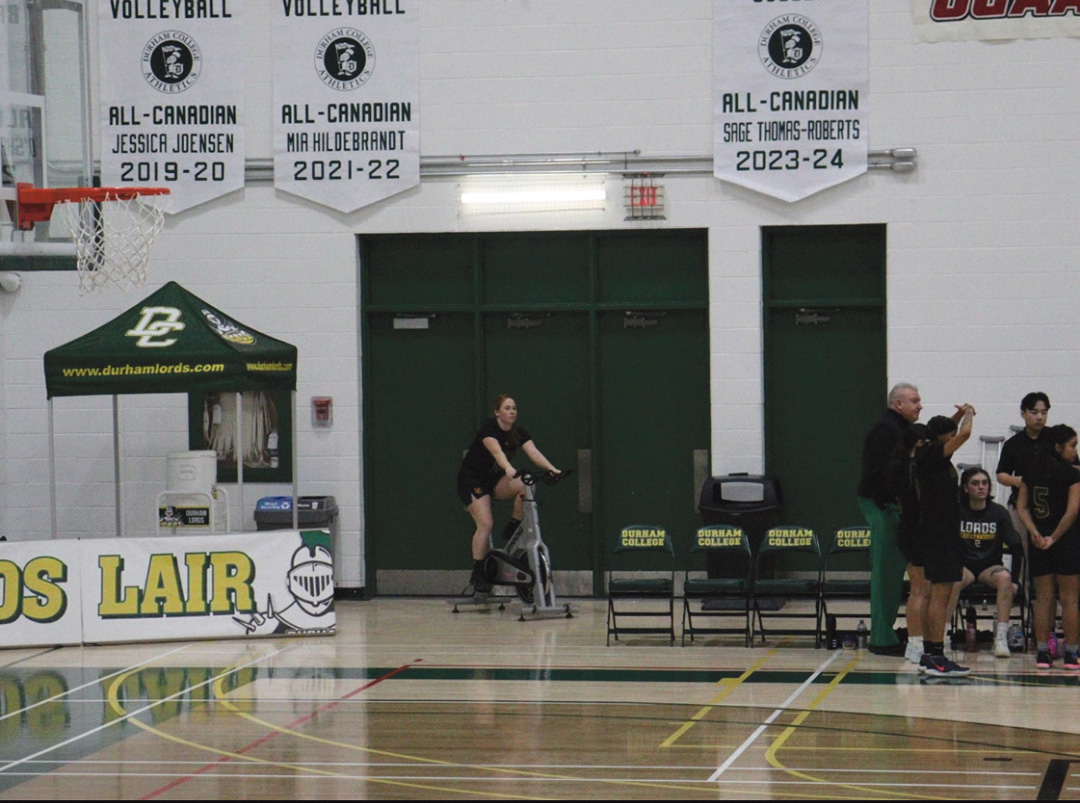
Ellis says managing student athletes’ mental health is critical.
“If you’re struggling with your mental health, you’re going to struggle in other aspects of your life,” he says.
Student athletes are also provided with services such as the Adopt-A-Lord program.
The program helps cover some of their costs and provides them with free athletic gear.
Anyone can Adopt-A-Lord with a minimum donation of $250.
DC also dedicates the Varsity Academics Success Centre to their student athletes.
The space helps support their demanding schedule and academic workloads.