




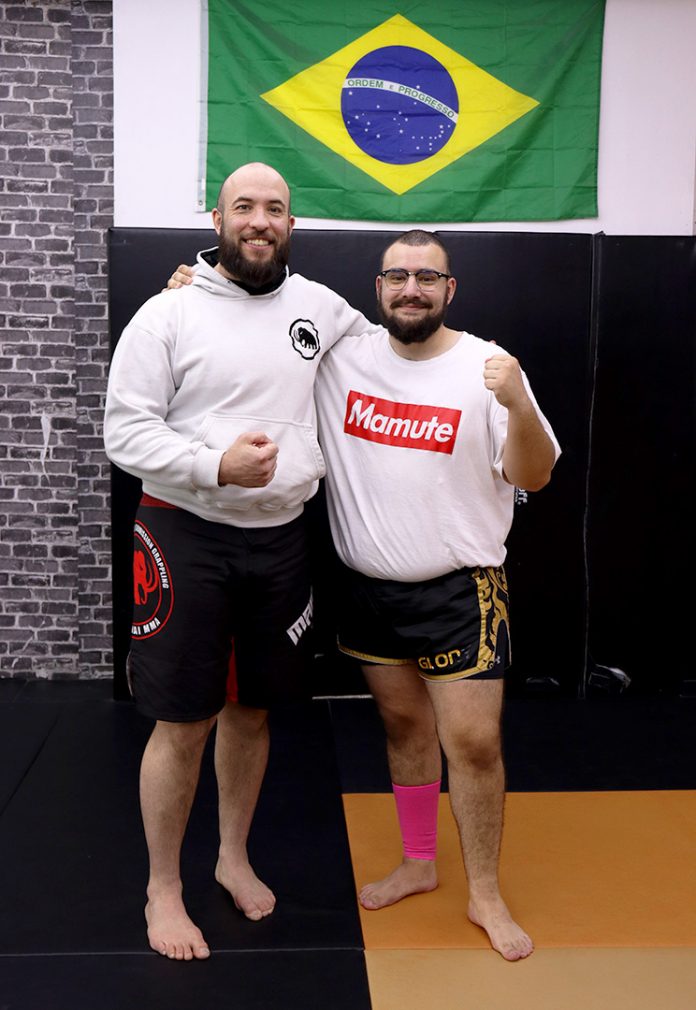

Some Mixed Martial Arts (MMA) organizations are advocating for the sport to be included in the upcoming 2028 Summer Olympics.
The Ontario Grappling Association (OGA) says it has a “direct link” to bring MMA to the Olympics through the United World Wrestling Organization. However, the OGA says some other organizations are not supporting them because they have their own agenda.
“Certain organizations they wanna, you know, promote themselves and get where they wanna get for their own, for their own thing,” says the OGA’s vice-president of grappling, Jesse Richardson.
“The Ministry of [Sports in] Ontario and the Ontario Athletic Commission are the ones that are kind of creating a little bit of a blockage of what’s happening. I think it’s a bit of a power struggle right now.”
Richardson says the OGA wants to work with the other organizations to “collectively do what’s in the best interests of athletes in Ontario and Canada.”
Critics characterize of MMA as a violent sport and, in the past, there have been MMA-related deaths and multiple injuries. However, some MMA athletes and coaches say education is needed to understand and appreciate the sport.
“It’s not just a bunch of angry meatheads who are trying to knock each other out. It’s an environment of very cool, calm, collected people who love competition,” says Austin Gallego, head coach of Muay Thai, boxing, and all striking sports at Mamute MMA Academy in Oshawa. “I would say education and trying it out.”
Head injuries are common in the sport. A sports medicine study conducted by the American Orthopaedic society for Sports Medicine reported that 28-46 per cent of MMA fights end in “knock-out or technical knock-out” with 12.7 per cent ending by knock-out. The study also found 27 per cent of injuries in MMA were fractures.
However, there are ways to work around the injuries.
Dr. Terry De Freitas is a Canadian Academy of Sport and Exercise Medicine (CASEM) board member and worked in combat sports for 26 years, including the Olympics.
She suggests MMA can be a part of the Olympics if it becomes regulated like boxing. However, boxing has been banned from the Olympics and was only recently been added back.
“That’s based on their federation regulations and how well they regulate the sport. I think MMA is moving towards better regulations for youth, athletes and junior athletes,” she said.
De Freitas also says injuries can also be minimized by reducing the number of rounds, as they are in boxing.
“They have one match, three rounds, a day off, another match, three rounds,” she explains. “It’s not a 10-round fight, it’s only three rounds. So that would probably be necessary to make it into a tournament style for Olympics.
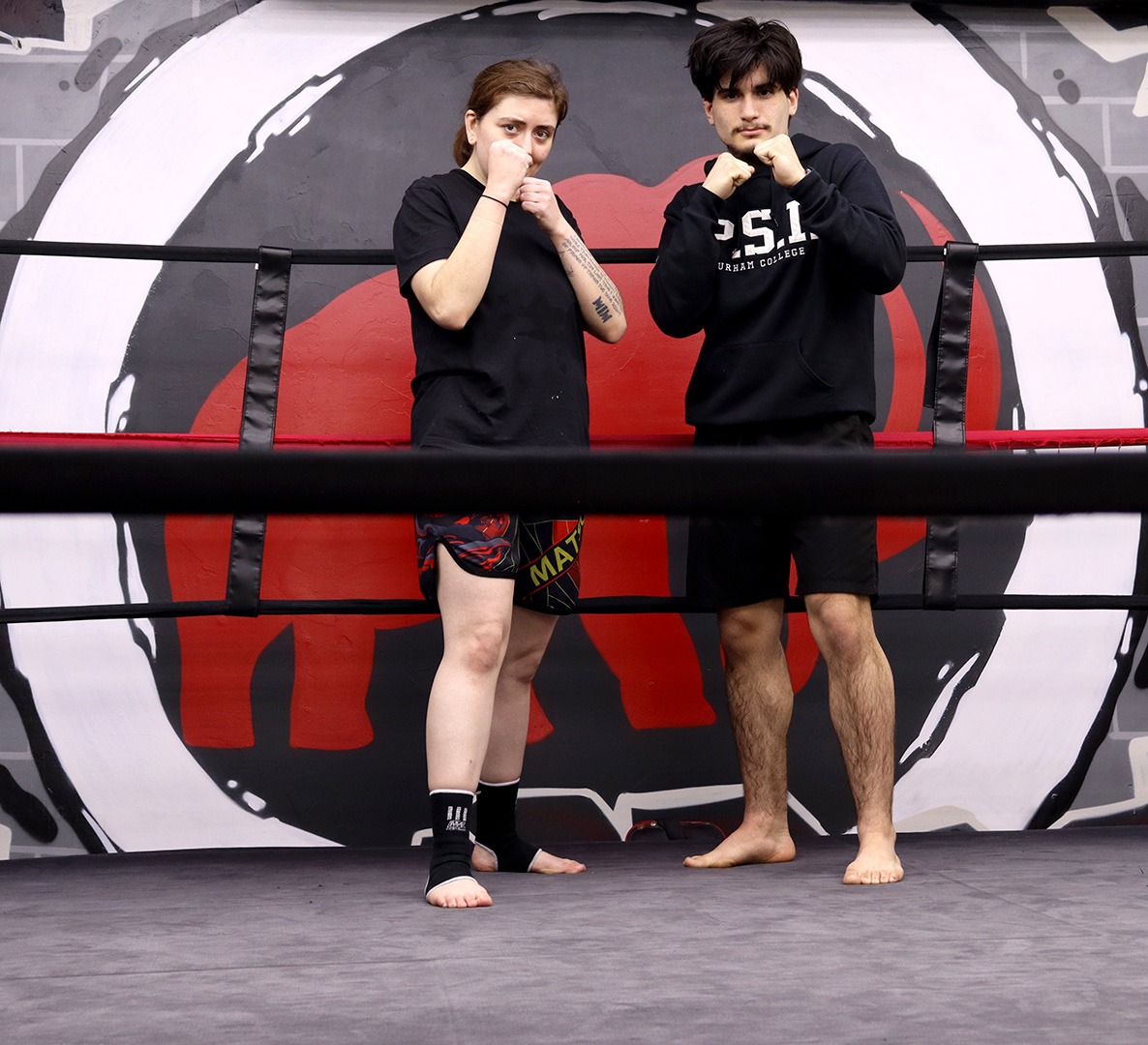
MMA does require gear at the amateur level for safety and limited gear in the pro level.
Igor Caetano, owner of Mamute Martial Arts Academy in Oshawa, says gear could help change the views of MMA and make the sport more acceptable.
“I feel like for them to bring it to the Olympics, there needs to be a set rule of what kind of equipment to wear. I think that would decrease a lot of the stereotypes of dangerous sport,” he says.
In addition to boxing, judo, taekwondo, wrestling and fencing are also combat sports featured in the Summer 2028 Olympics.