




Children walked into the arena carrying garbage bags instead of hockey bags. Some held their hockey gear in garbage bags, others clutched helmets with missing protective cages. They came from Beausoleil First Nation to play, but the equipment they brought showed how limited their access to proper gear was, and Graham McWaters, a hockey dad from Richmond Hill, noticed.
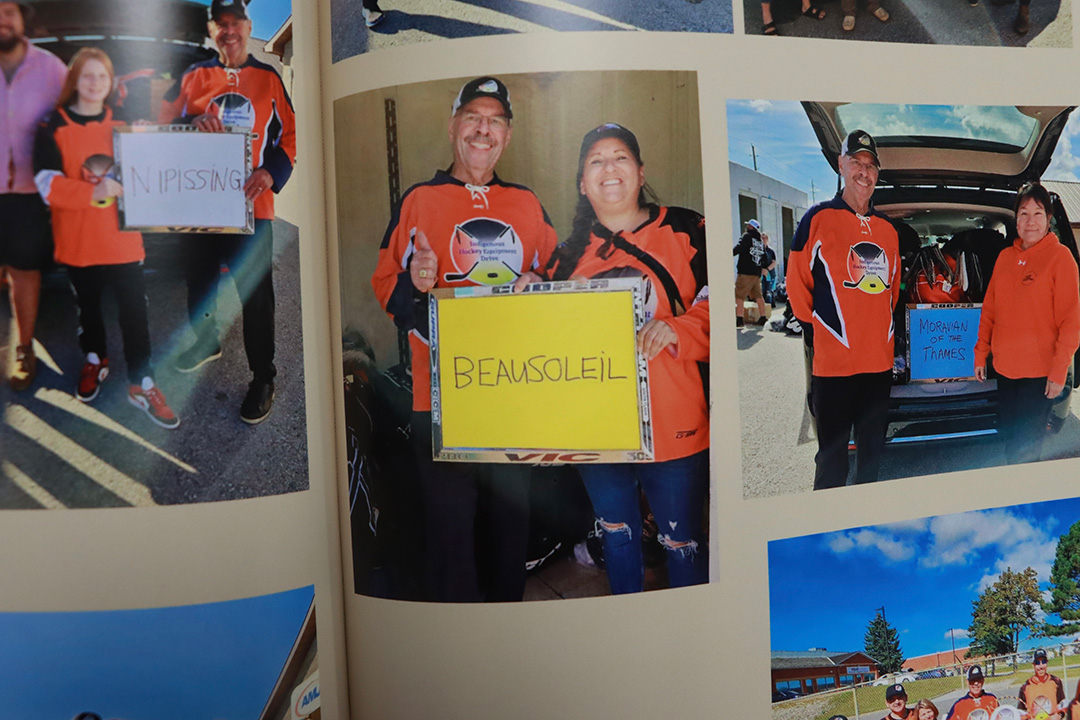
At the time, McWaters volunteered in local hockey circles and watched these barriers keep Indigenous youth from participating. He learned the children were from Christian Island and later said he “just saw a need to help children,” emphasizing he wasn’t thinking specifically about Indigenous communities at first, only about kids who lacked equipment.
That small beginning in 2015, when he collected eight bags of gear and delivered them to Christian Island, eventually grew into the Indigenous Hockey Equipment Drive, now a pillar under the charity Their Opportunity.
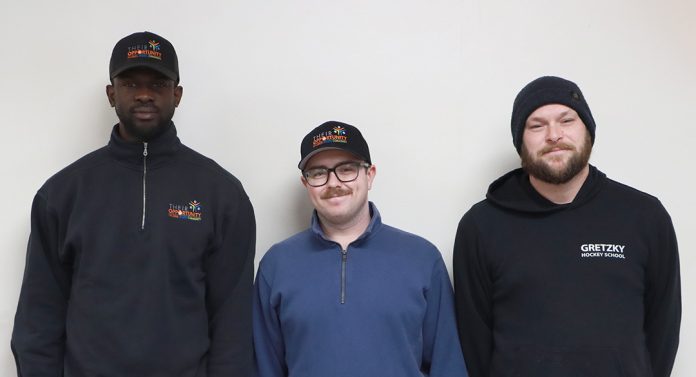
Adrian Murphy, a Youth Coordinator at Bkejwanong Youth Facility who receives equipment through the program, recalled the moment the children got the gear: “To see them light up… that’s theirs now. Some of these guys were cheering on their siblings or at public skating, wishing they were on the ice. Now it’s the perfect opportunity for them to have skates and be on the ice.”
Across Canada, many Indigenous families faced structural barriers to organized sports. Equipment costs alone made hockey unattainable for many households. New skates could exceed $150, and full sets of protective gear could cost several hundred dollars more. In many northern and remote communities, there were no local sporting-goods stores; families had to wait for someone to travel to a city simply to buy a helmet or pair of skates. Ordering gear often involved high shipping costs and long delays.
Graham McWaters, whose wife and two sons are members of a small Indigenous community near Quebec City, works with Their Opportunity to expand the Indigenous Hockey Equipment Drive to reduce these barriers.
The program collects, sorts, sizes and delivers gently used hockey gear directly to communities, removing both financial and logistical obstacles. Since 2015, the drive has donated more than 6,000 bags of equipment, roughly 10,000 sticks, and supported 72 Indigenous communities, distributing over 1,000 bags of gear each fall.
Murphy, who as part of his job at Bkejwanong Youth Facility organizes skating skills workshops, says, “The costs just surrounding hockey in general is already high enough, so to be able to receive equipment for free is a pretty big deal.”
This aligns with what families often told McWaters: they simply could not get the gear their children needed. In some communities, the nearest place to buy skates or a helmet was hours away by boat or car. Cost remained a major barrier even when rinks and volunteers were available. By shipping gear using Their Opportunity’s distribution system — including warehouses, transportation companies and local coordinators — the drive allowed children to join teams as soon as the ice was ready.
The social impact is significant.
Organized sports give youth structure, belonging and connection, factors linked to improved well-being. According to Statistics Canada’s 2019 Suicide Rates Report, between 2011 and 2016, the suicide rate among First Nations people was 24.3 deaths per 100,000, more than three times the rate of non-Indigenous Canadians (8 per 100,000). For Inuit, the rate reached 72.3 per 100,000, nearly nine times the national average.
According to McWaters, who has ties to Abenaki of Odanak through his wife and children, opportunities that bring youth together through hockey, ringette or other sports serve as protective factors by strengthening relationships, creating routine and reducing isolation. He says he sees this every year when children receive gear and return to the ice.
Murphy said opportunities like these serve as protective factors: “It’s really a good thing and it’s a positive thing for their mental health. You see them out with their friends, they’re on the ice, they’re getting exercise, physical, mental, even spiritual and emotional health comes into play.”
Each season, dozens of communities gather during a large Indigenous hockey event in the Toronto area, where the drive’s reach becomes visible. McWaters described watching children line up to receive gear in their community and seeing their excitement when they finally had everything required to play. He recalled the moment they realized they were fully equipped: “Imagine your eyes light up… you get there, you’re first in line, and you come home with all the stuff you need to play that sport.”
Maintaining the drive requires extensive coordination. McWaters sorts donated gear, tags it and works with volunteers, schools, hockey associations to transport equipment to Their Opportunity’s warehouses and onward to communities. He has described the process as “very time-consuming” but deeply rewarding as more children gain access.
Murphy, who works on Walpole Island First Nation, added: “It’s a bit of a task and could be a lot of anxiety for some of these guys, but those brand new hockey players that come in for the first time and receive that equipment, those are the ones I think about. I really want them to do well and I’m thankful they showed up.”
Years after watching those first children walk into a rink with garbage bags, McWaters says the goal remains the same: make sure every child who wants to play can step onto the ice with what they need.
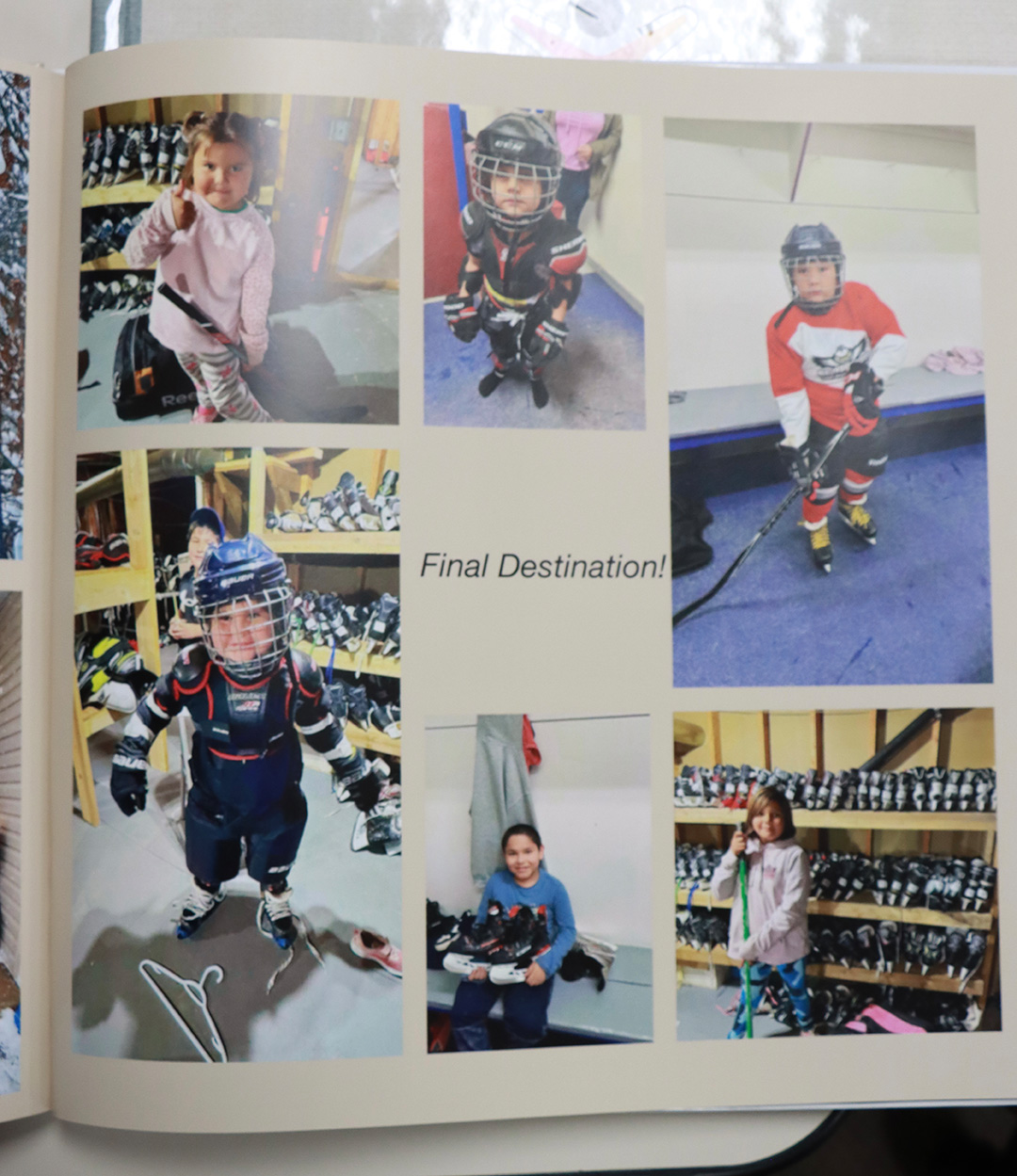
Murphy says, “We know that this is a big deal to our community… it’s a feel-good story all around, receiving the equipment and being able to distribute it to our hockey players now and for our future hockey players.”