




You may have been on the receiving end of employers wanting experience but being unable to get a job to get that experience.
That makes getting a job in your field as a recent graduate challenging.
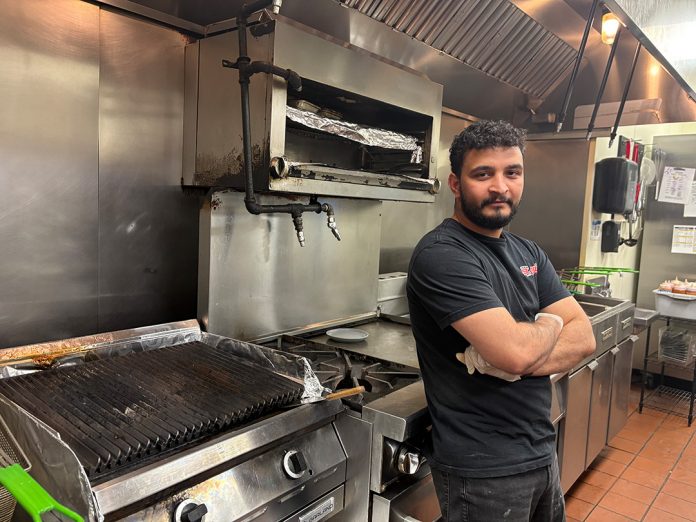
Harsh Sharma, a recent graduate of Durham College’s (DC) Chemical Laboratory Technician program, says opportunities in Ontario are limited.
“To get a job in Ontario in my field, you need experience,” he said.
Sharma graduated in 2025 and he’s struggling to find an entry level position that doesn’t require experience.
To gain some of the experience employers are looking for, he said he would have to move to Alberta or Nova Scotia.
“But I don’t want to do that,” he said.
Tonya DeJong, an employment coach at DC’s Career Development Office, has some advice.
She said the experience section of your resumé doesn’t mean only paid job experience.
“I would just encourage students to recognize that their time in education can be counted as experience,” she said.
DeJong advised students use field placements, lab or project work and articulate them on their resumé and reference them in interviews.
She added while graduates may not have had paid job experience, they have had hands-on technical experience.
She reminded those looking for employment to “not shy away from the fact that that is experience.”
A survey by Mercer in December 2025 said co-ops and internships are critical in the current job market.
It said employers value that hands-on experience and around 20 per cent of organizations surveyed said they hired more summer interns these past couple years, than they have in the past.
DeJong added job opportunities are “different based on the industry.”
“If you are in the trades or healthcare right now there are more opportunities, more entry points,” she said.
She added graduates in IT and administrative fields seem to struggle more.
DeJong chalks up some of that struggle to AI.
“AI has made administrative tasks and jobs that used to be done by people redundant,” she said.
However, she said they still exist though “there are fewer entry points into those roles.”
DeJong said it seems “the jobs that are lower-skilled tend to be eaten up by AI.”
Her biggest piece of advice for those looking for a job post-graduation is to know how to market themself through their resumé.
She said to make a resumé competitive to peers, it should focus on industry-specific skills.
She also said it’s good for many people to look over a resumé “to make sure that that resumé you’re using is going to help open doors.”
DeJong said many graduates use their resumé that got them their first minimum wage job.
She said this is a common mistake and “an industry specific resumé requires a whole revamp.”
DeJong said one of the most important skills in the job world is confidence.
She said it can help when people make mistakes, to show up for work for the next day, to apologize and accept constructive criticism and use it as an advantage.
DeJong said confidence can also help with nerves in interviews.
She said it’s important to be adaptable, especially with how employers are using the skills learned in the classroom in their industry.
Darshankumar Tanchak, a 2025 Environmental Health and Safety graduate, said to get a job people need more than just a resumé.
“You can easily get a job if you have a strong reference,” he said.
Sharma and Tanchak are currently cooks at St. Louis Bar and Grill in Oshawa while they continue their job search.
Meanwhile, DeJong reminds students that once they graduate, they can still use the Career Development Office at DC.
“Alumni have access for life,” she said.