





After nearly a century of change in Oshawa, one thing has stayed the same: first responders who protect and care for their community everyday.
An ongoing exhibit at the Robert McLaughlin Gallery (RMG) looks at their history through photographs from many years ago.
Answering the Call: First Responders in Historic Oshawa, is a curation of 28 photographs mostly depicting firefighters, nurses and medical staff from a century ago.
The exhibit includes two relatively recent photos representing staff at the John Howard Society in Oshawa and Durham Outlook for the Needy, both non-profit organizations.
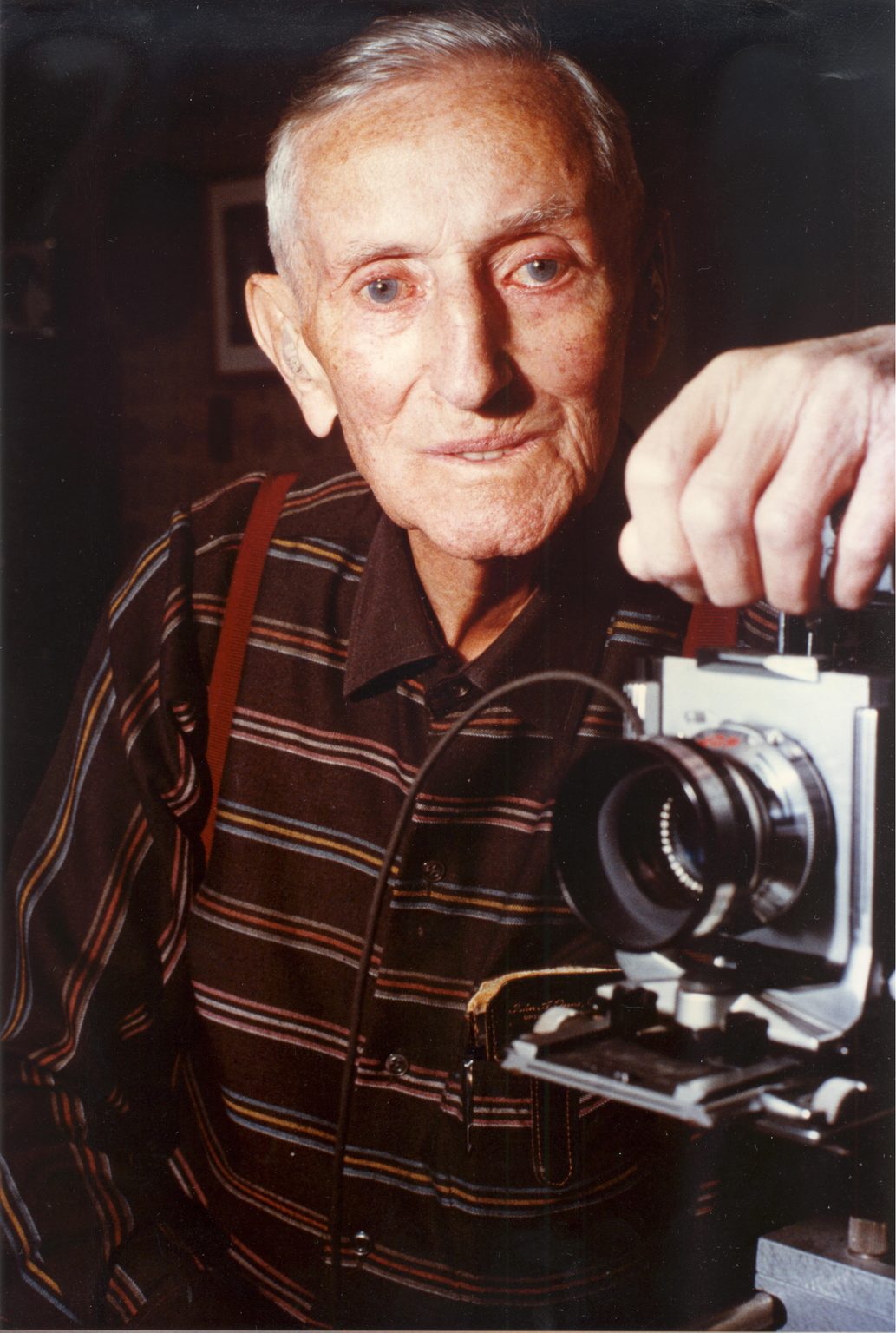
The photos come from history enthusiast and collector, Thomas Bouckley, a part of a larger collection at the Robert Mclaughlin Gallery called the Thomas Bouckley Collection. He donated more than 3,500 photographs of Oshawa and Durham Region over the span of 100 years.
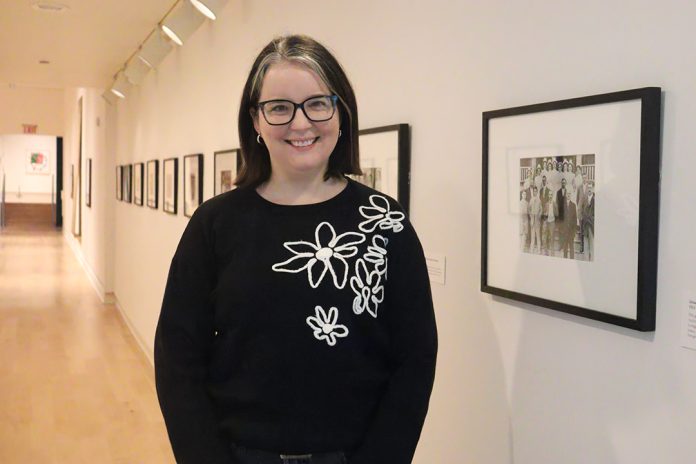
Sonya Jones, the exhibit’s curator says the idea was on her mind for a while because the Bouckley Collection contains so many photos of health care workers and first responders. There was previously a virtual exhibit on nurses in 2020 during the pandemic, but Jones wanted to expand this.
Her vision really came through when she was driving home from work and noticed something. A painted mural on a fence, visible from the road that read “Thank you first responders.” But it was faded, “barely visible,” Jones said.
It reminded her of how people loudly appreciated first responders during the pandemic, including through art. Murals, drawings taped in windows and painted rocks on walkways were all ways to say a simple thank you.
“We all appreciated the incredible selfless work that first responders and health care workers do during that pandemic but they show up every single day and they do this work every single day,” Jones said.
She wanted to highlight the importance of appreciating first responders all the time. The photographs show a glimpse of a very different era in health care and emergency response work.
“I think it’s interesting to look at historical photographs of the past, right? Just to see how healthcare has changed, seeing how historically Oshawa has taken care of our community,” Jones said.
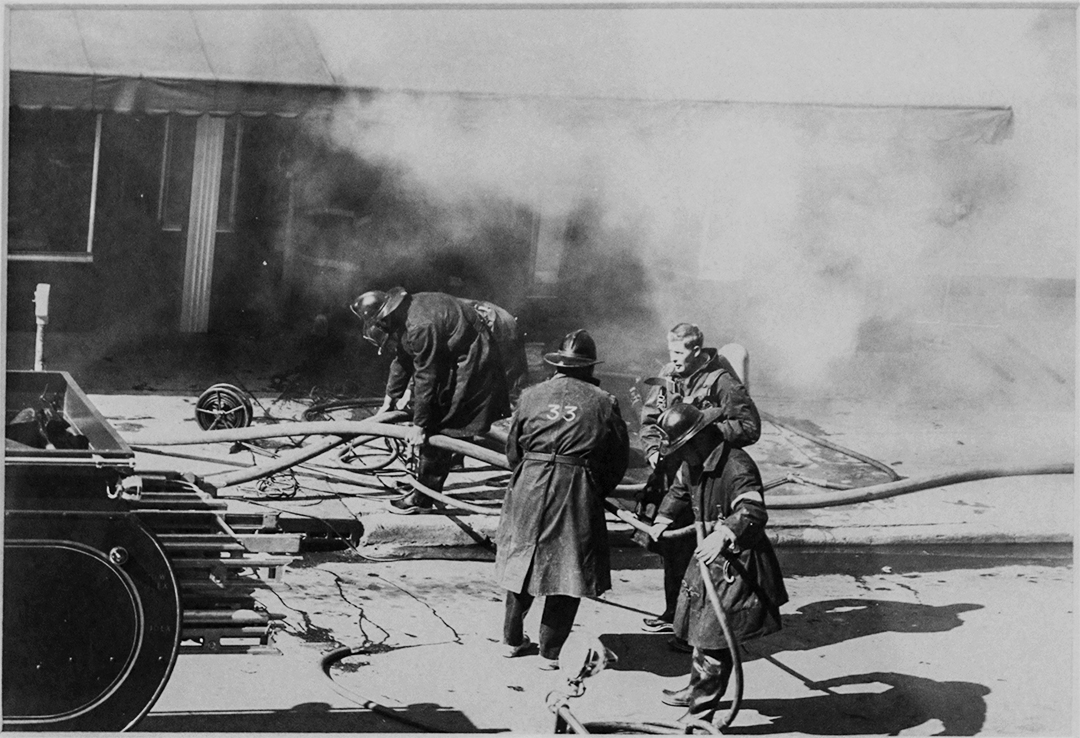
One photo shows the aftermath of a fire at a department store on King Street West in Oshawa. Firefighters are hosing down what’s left but something that stands out is their attire. Long black almost trench coats, no reflective gear and one man even appearing to be wearing no protective hat or mask.
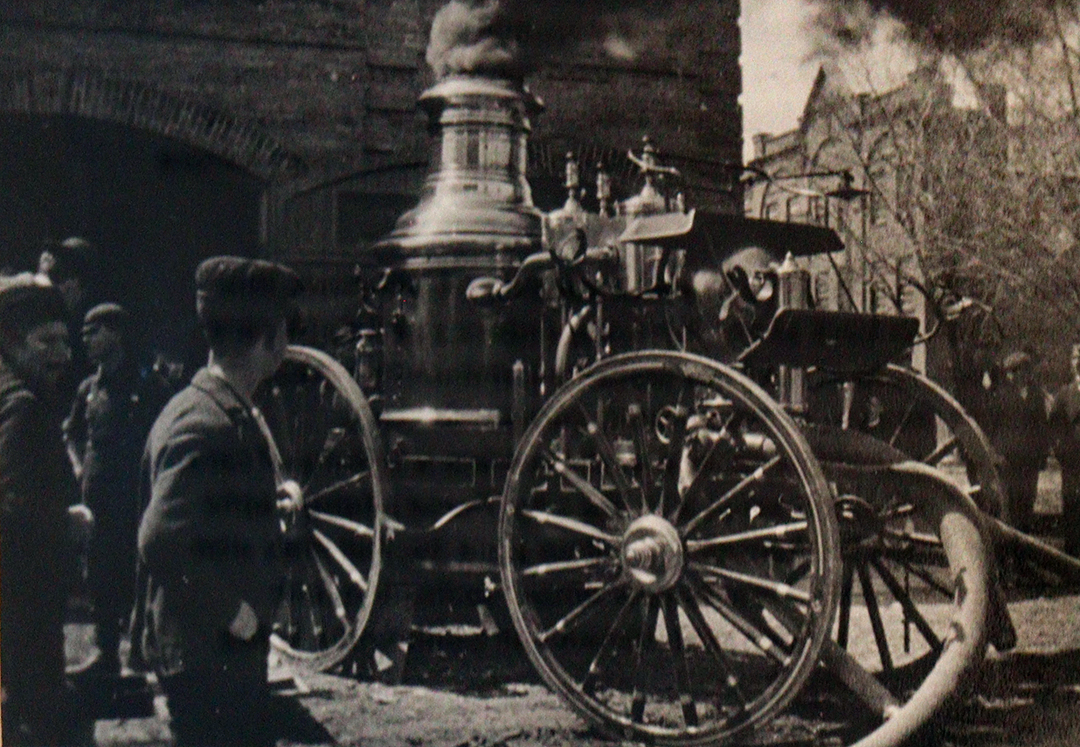
Another picture shows a steam fire engine. They were used before big red trucks were invented but after the time when people had to use horses to transport buckets of water to throw at fires. This machine was purchased after a “disastrous” fire in 1872, and worked by pumping water from nearby rain reservoirs.
There’s also a photo of nurses in the staff lounge at Oshawa General Hospital in 1958. The uniforms of this time were white or light-coloured dresses with white caps pinned to nurses’ hair. The hats, in some cases, were earned based on rank.
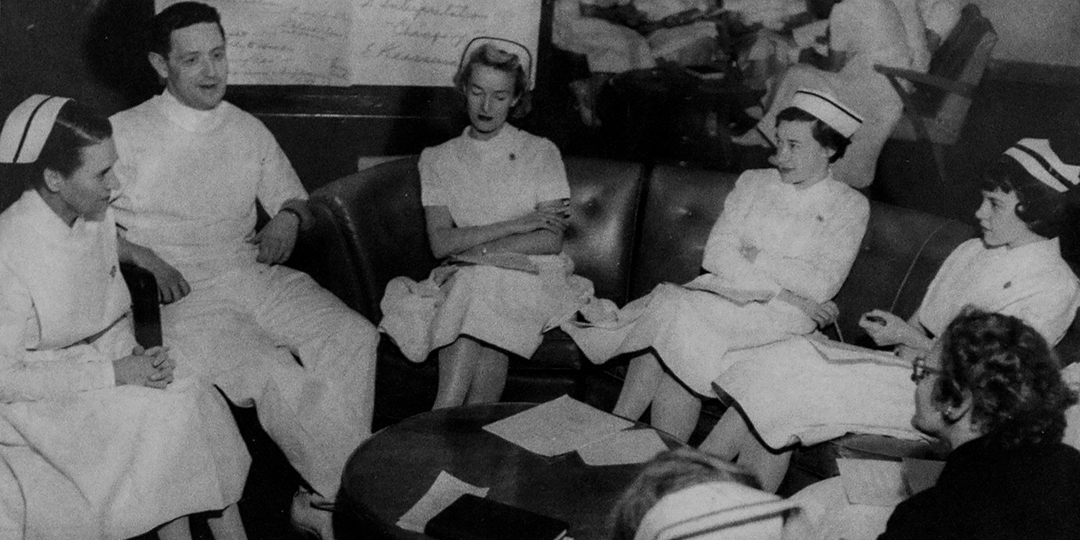
These uniforms reflect the time period. However, they required a lot of bleaching to keep them stark white. Around the 1970s and 80s nurses switched to the practical and comfortable scrubs seen today.
Although equipment, uniforms and medical practices have changed over the years, the role of first responders in supporting people has remained the same.
The exhibit is on until Jan. 3.