




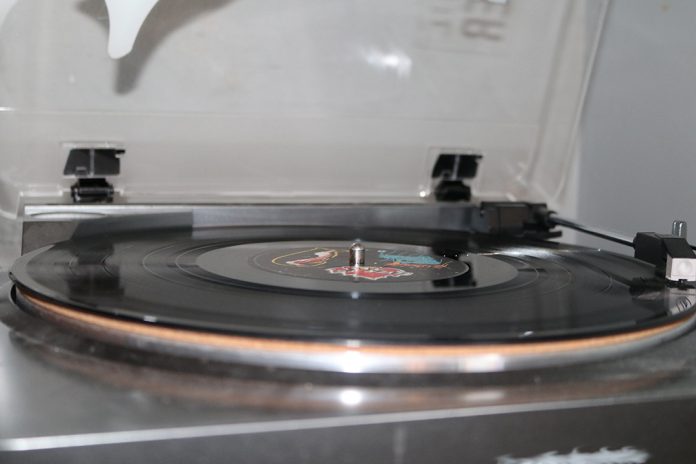

Motewolonuwok is a quiet but powerful album that asks listeners to slow down and listen with intention. It is not an album that demands attention through volume or spectacle. Instead, it draws people in gently, rewarding patience and curiosity.
Even for listeners unfamiliar with the Wolastoqey language, the record invites engagement rather than distance, encouraging audiences to sit with both the sound and the meaning behind it.
The album’s title translates to “people” in Wolastoqey, and that focus is present throughout the record. Across its tracklist, Jeremy Dutcher centres human experience in its many forms, love, loss, grief, survival and healing, while grounding those themes in Indigenous history and lived realities.
The songs feel reflective and deliberate, often carrying the weight of memory. Rather than telling a single story, the album feels like a conversation that stretches across generations, linking the past to the present through voice and song.
Musically, Motewolonuwok is restrained and atmospheric. There are no obvious radio-ready hooks or upbeat choruses designed for mass appeal. Instead, Dutcher builds his sound using piano, strings, choral arrangements and his expressive, classically trained voice. The result feels closer to a film score or an intimate live performance than a traditional pop album. Some tracks are heavy and emotionally dense, while others offer moments of softness and calm, giving listeners space to reflect.
One of the album’s strengths is its ability to balance emotional weight with accessibility. The inclusion of English lyrics alongside Wolastoqey which orginates in the north eastern part of turtle island that is now known as New Brunswick, Maine and parts of Quebec makes the album more approachable for a wider audience, particularly listeners who may not be familiar with Indigenous languages or storytelling traditions. Even when addressing difficult topics such as grief, trauma and mental health, the music never feels clinical or detached. Instead, it remains deeply personal, allowing listeners to connect emotionally even if they do not fully understand every word.
This is not background music meant to fade into the room. Motewolonuwok demands attention and intention from its audience. It is best experienced with headphones, where the layered arrangements and vocal nuances can fully settle in. The album moves at its own pace, and listeners are encouraged to follow rather than rush it.
While the album may not appeal to everyone, particularly those looking for light or easily digestible listening, it offers something meaningful to those willing to sit with it. There is a quiet honesty at its core, and a sense that the music exists not just to entertain, but to remember, honour and heal.
Despite still being unsure how to pronounce it, Motewolonuwok stands as a thoughtful and emotionally resonant album. It is a reminder of music’s power to hold memory, create connection and give voice to experiences that are often left unspoken.