





As spring approaches, many people dust off their gardening tools to start growing their own plants.
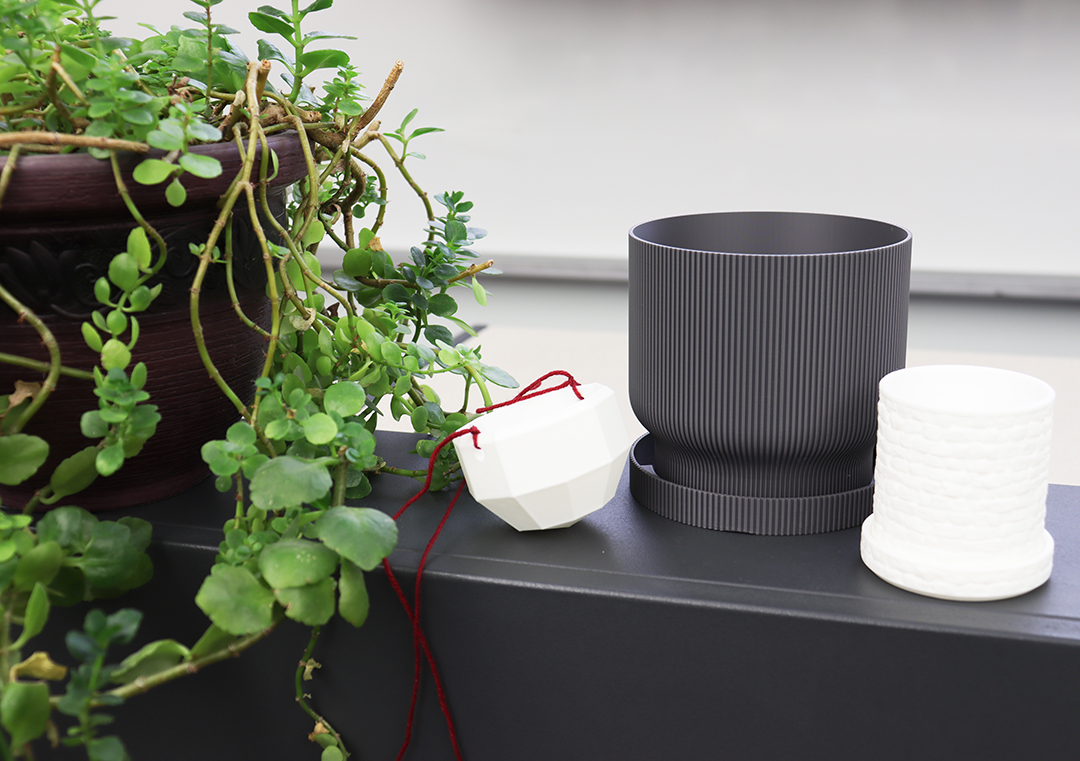
Last week, the Durham College (DC) and Ontario Tech University (OTU) library held a 3D printing workshop where participants could design their own 3D printed planter.
Kate Gibbings, liaison librarian, organized the workshop which was the fourth one held this year.
“We always have a theme. So, we’ve done Halloween hacks, custom desk organizers. This one is ‘design a planter,’” says Gibbings.
Each 3D printing workshop is designed to be flexible within students’ schedules and beginner friendly.
Students can expect to learn about how 3D printers work. They can even explore and modify designs using a free software called Tinkercad.
Ashley Hales, a Social Service Worker student at DC attended the event. She brought along her mentee for the Community on Campus program through Community Living.
Hales says the sign for the 3D printer workshop drew her in.
“I was very excited,” she says. “We’re happy to be here and trying something new.”
On any other day, students can book an appointment at the library to learn how to use the 3D printer one-on-one. They can also submit design files through a 3D printing request form to have designs printed at 10 cents per gram of material.
According to Gibbings, the material used for 3D printing is polylactic acid (PLA) which is a corn-based bioplastic that can be biodegradable.
What she likes about the workshop is the combination of functionality and creativity.
“I like it because it is functional,” she says. “But it also has a little bit of an artistic element.”
Gibbings hopes participants of the workshop will come back for the library’s seed exchange which also inspired the theme.
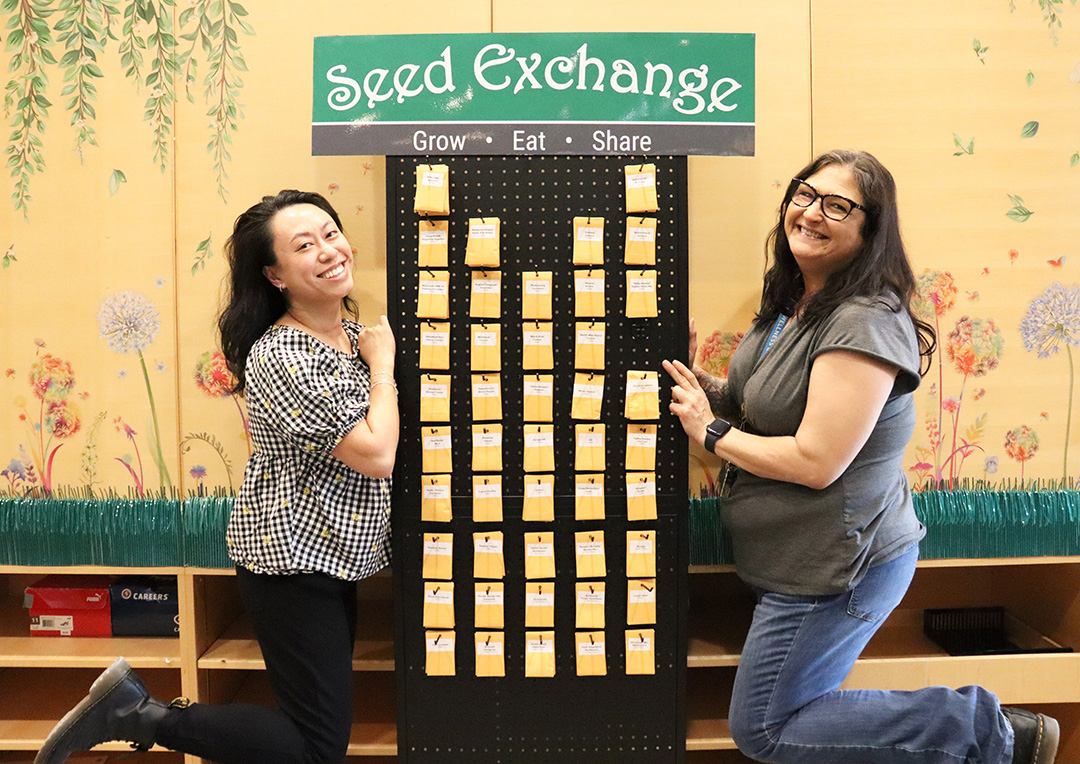
Starting March 16, students can visit the library lobby and pick up as many as five packets of seeds to grow themselves.
There are a variety of fruit, vegetable and flower seeds to choose from.
Once the plants grow, the library asks students to collect seeds to use next year and return some to the library.
Seed saving offers a variety of benefits including money saving, growing more pest resistant plants and developing seeds that grow more acclimated to our climate.
The seeds are available while quantities last.