





Around this time of year, campus discourse often revolves around the stress of future career paths for students.
But as winter gives way to spring, a more urgent sound is happening.
Some students are calculating the price discrepancies between grocery bags and required textbooks.
This is the sound of students discovering where their next meal will come from, an experience that impacts their day more than any lecture.
This is not a rare occurrence. Although Durham College successfully raised nearly $80,000 for its Food Access Bursary in the 2025 holiday season, according to the Durham College website, this does not guarantee that all students were adequately fed.
Many students with both part-time and full-time jobs still rely on the Durham College Student Association (DCSA) food bank, reflecting a 27.9 per cent surge in food insecurity across Durham Region from 2023-24 to 2024-25.
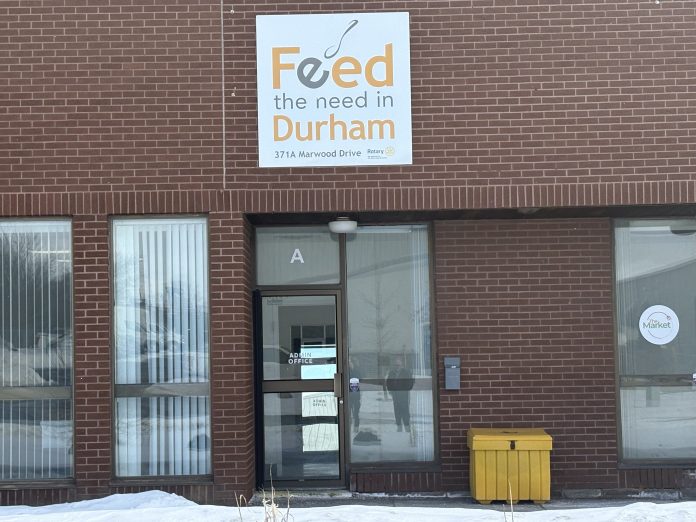
According to Ben Earle, executive director of Feed the Need in Durham, rising costs in general are a significant contributing factor.
“We’ve seen a rapid rise over the last few years in the cost of living overall, primarily driven by the cost of housing and the cost of food and food inflation,” said Earle.
“The main reason we’re seeing employed students visiting food banks is … cost of food and the cost of living is outpacing income.”
Feed Ontario’s recently-released Hunger Report revealed a record number of food bank customers: more than one million.
At the same time, the number of ‘working poor’ has increased by 83 per cent since 2019. Added to that, an average healthy diet costs more than $1,200 per month.
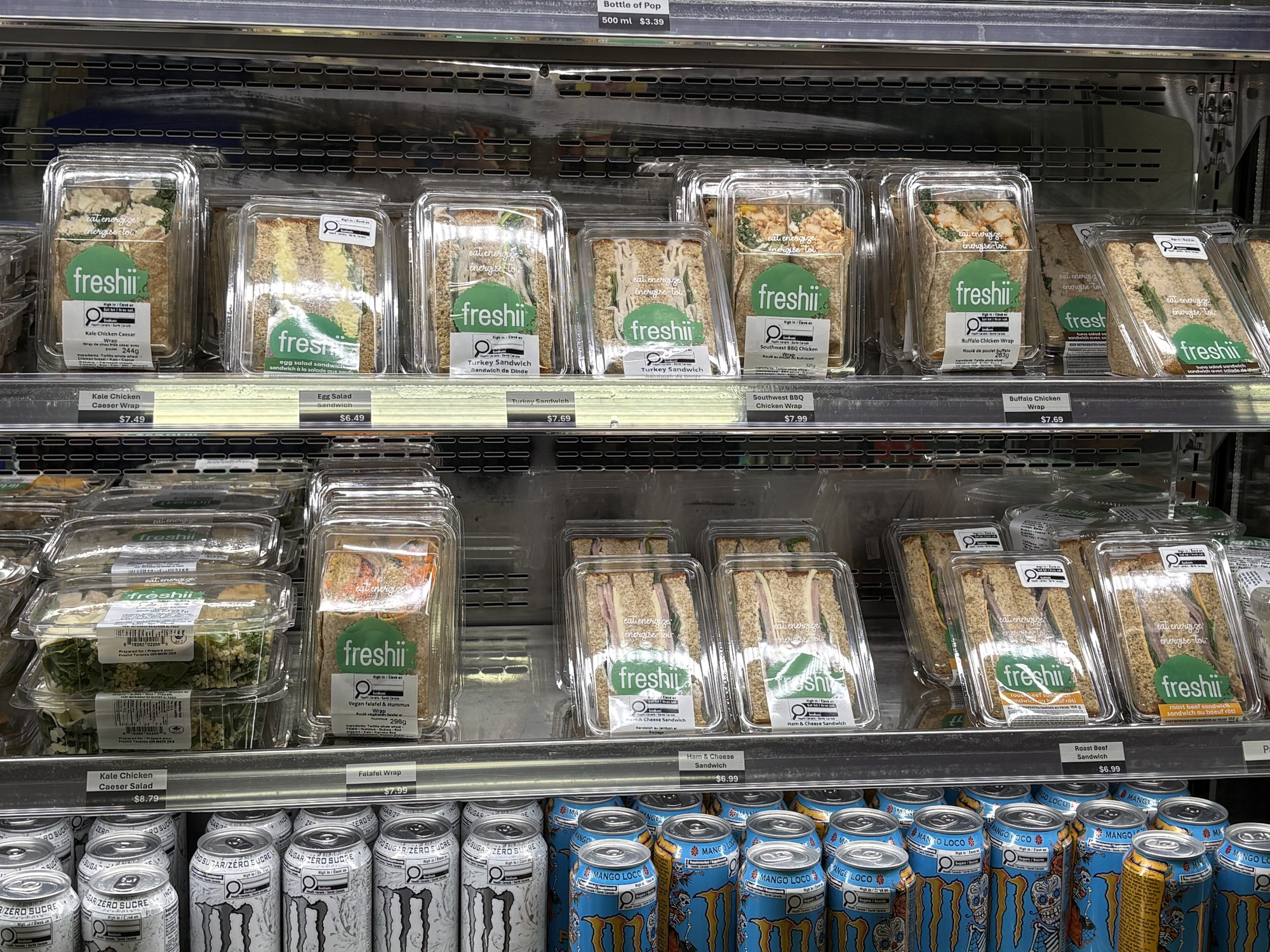
While Earle said students are not to blame for this, the only way for them to protect themselves from food insecurity could be to “find ways to earn more income or find ways to save money on food.”
Similarly, Earle said the public must take action.
“As a society, we have a responsibility to make sure students aren’t going home hungry,” he said. “It’s our responsibility.
“Collectively, we need to develop policies that better support students when they’re at school.”
Every year, the campus offers $5,000 grants for student-led projects focused on food insecurity, such as those at the Barrett Centre of Innovation in Sustainable Urban Agriculture.
Feed the Need in Durham has offered its support to Durham College through the campus food bank.
“For a long time, the college has been a partner with us on that program. It’s changed over the years, but we do partner with the college,” Earle said.