






As Canadian citizens, it is our democratic duty to vote.
According to Elections Ontario, about 45 per cent of registered voters participated in the 2025 provincial election. Voter turnout in the previous 2022 election was about 44 per cent.
Why do Canadians think it’s OK to not have their voice heard? Elections are our opportunity to show what we want and how we want to be governed.
Yet, the 2025 election had one of the lowest voter turnout rates in provincial history.
There have always been people who have wanted to take this right away. Others fought to protect it. Many dedicated their lives, and some lost them, to make sure we have a say and to ensure future generations could choose their leaders.
Choosing not to vote dismisses their efforts. It reduces decades of advocacy and sacrifice to inaction.
Thanks to Nellie McClung, Manitoba was the first province to allow women the right to vote in provincial elections in 1916.
Won Alexander Cumyow was a champion of Chinese Canadian rights. His efforts helped Asians gain the right to vote in Canada in 1948.
James Gladstone was an activist who became the first Indigenous man to be appointed senator. Two years later, in 1960, Indigenous people were granted the right to vote, an issue that Gladstone advocated for.
They fought so that Canadians could have a say in who leads them.
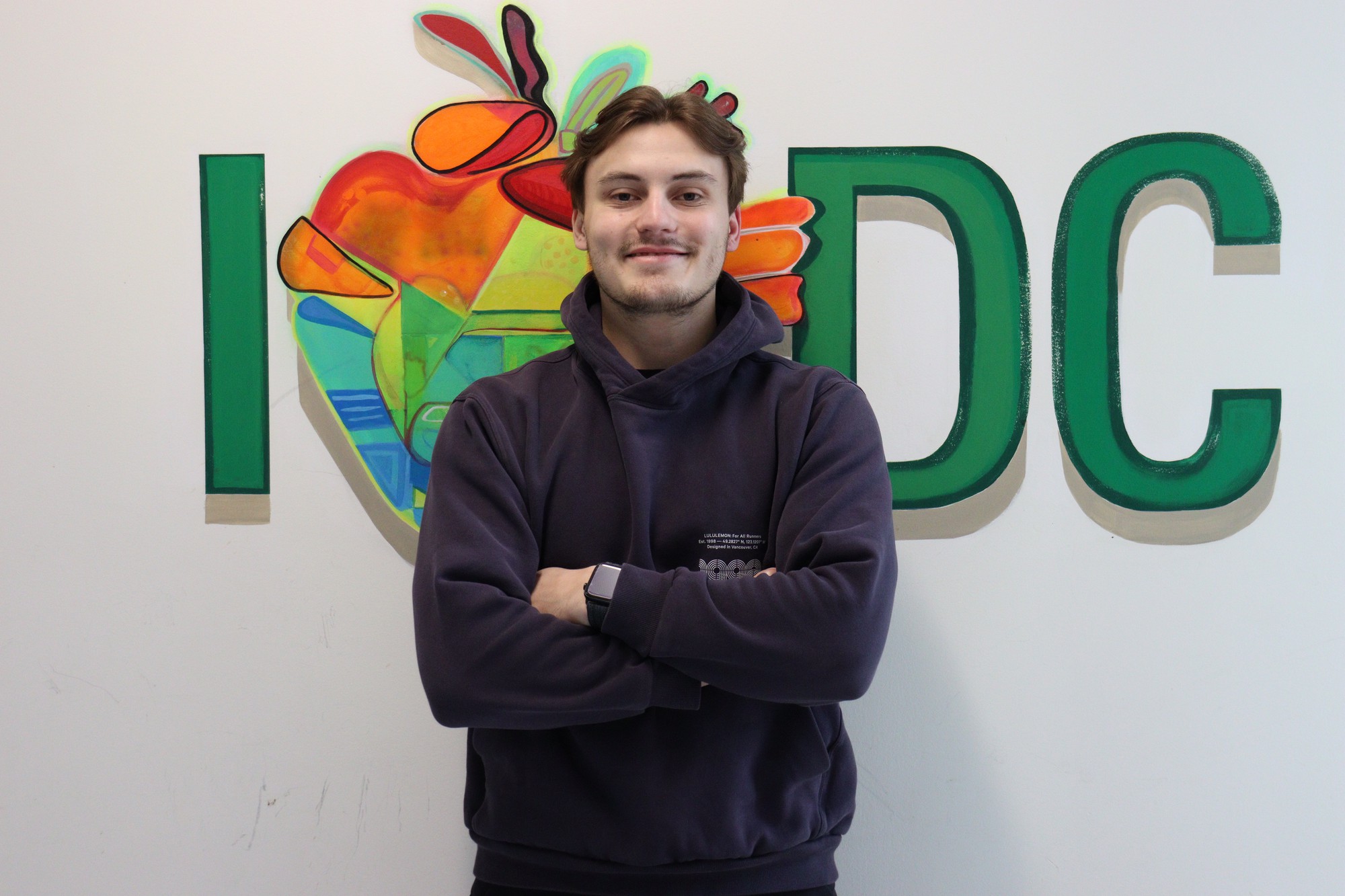
Durham College had its own election this past month for executive chair and chief elected officer of the Durham College Student Association (DCSA). According to the DCSA, only three per cent of eligible voters participated.
While a student election is different, it is still a stepping stone. Voting was simple. Students only needed to complete a short form that was sent to their Durham College email.
This is a simple act to let the school know who should be making decisions for students.
Voting is an important part of being an active citizen.
There are many changes Ontario voters want to see in the province, and those concerns are expressed through their vote.
Voting allows Canadians to foster the change they want to see in the world.
Not to mention, an election is every four years. Voting is a small time commitment with big results.
According to Elections Canada, the voter turnout for the 2025 federal election was 69 per cent.
This is marginally better than the provincial election, which offers some hope for the next provincial election.
The youth are our future. Voter turnout for ages 18 to 24 increased in the most recent federal election according to Elections Canada, rising from about 47 per cent in 2021 to about 56 per cent in 2025.
This shows that the younger demographic is understanding that voting means having your voice heard.
Voting means choosing who you want in power and who you want representing your ideals.
Voting means doing your democratic duty.