






Waterproof mascara. Long-wear foundation. Smudge-proof lipstick.
For many consumers, durability is non-negotiable.
Ellyssa Sunday, a second-year Police Foundations student, said makeup is part of her daily routine.
“I would say I do a full face, but I like to go for a more natural look, minus the eyeliner,” she said.
Sunday uses a tinted moisturizer foundation for her dry skin and a dark brown mascara marketed as long-lasting.
“It’s part of my morning get-ready routine that I really enjoy,” she said.
Like many consumers, Sunday tries to stay aware of what she puts on her skin, though she finds ingredient labels difficult to navigate.
Products advertised as waterproof or 24-hour wear are designed to resist sweat, oil and moisture, qualities that fit well into busy schedules.
But researchers say most of that staying power comes from per- and polyfluoroalkyl substances, known as PFAS, a group of synthetic chemicals often referred to as “forever chemicals.”
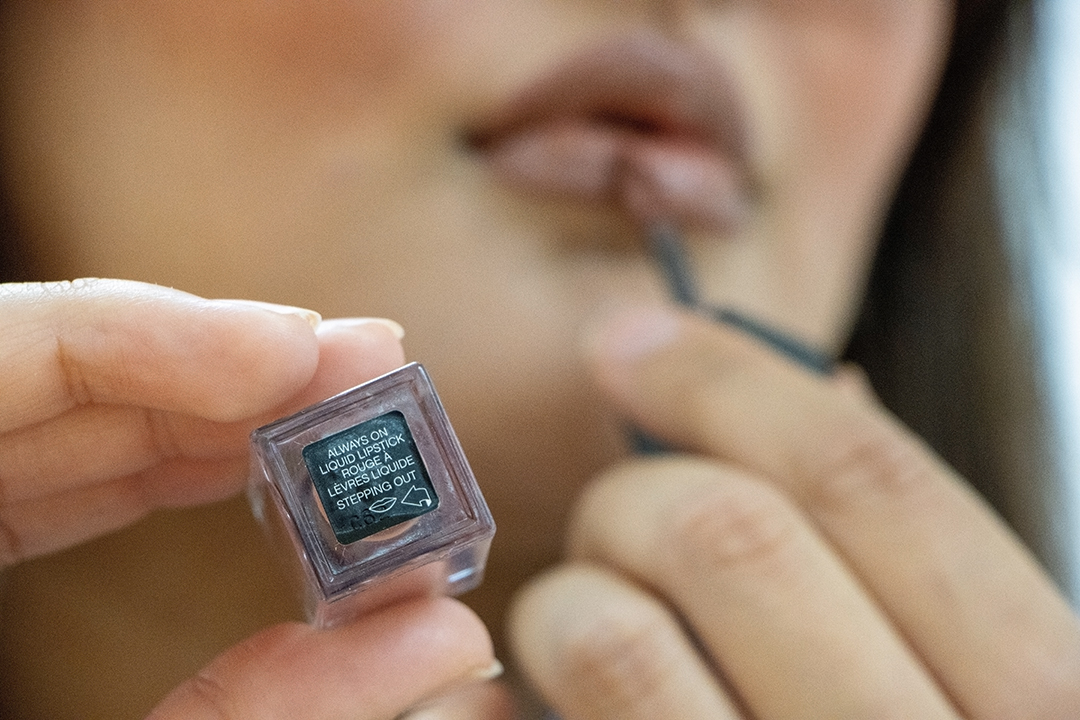
Those same qualities, resistance and persistence, are also what raise concern.
Dr. Miriam L. Diamond, a chemist and professor of environmental sciences at the University of Toronto, was part of a research team that examined PFAS in cosmetics in a study published in Environmental Science and Technology Letters.
“As a consumer, you don’t know which products have PFAS and which don’t,” she said. “Ninety-nine per cent of Canadians have these chemicals in our bodies.”
The study tested cosmetics purchased in Canada and the United States for total fluorine, a marker for PFAS, and found detectable levels in a range of long-wear and waterproof products.
Research has linked PFAS exposure to potential long-term health concerns, including interference with reproductive systems, disruptions in fat metabolism that may contribute to obesity and Type 2 diabetes, associations with immune system dysfunction, and some cancers, according to Diamond.
She said cosmetics can present multiple pathways for exposure.
“For example, the chemical can just enter the fluid on your eyeball through your tear duct,” she said, adding “consumers can eat about seven pounds of lipstick a year.”
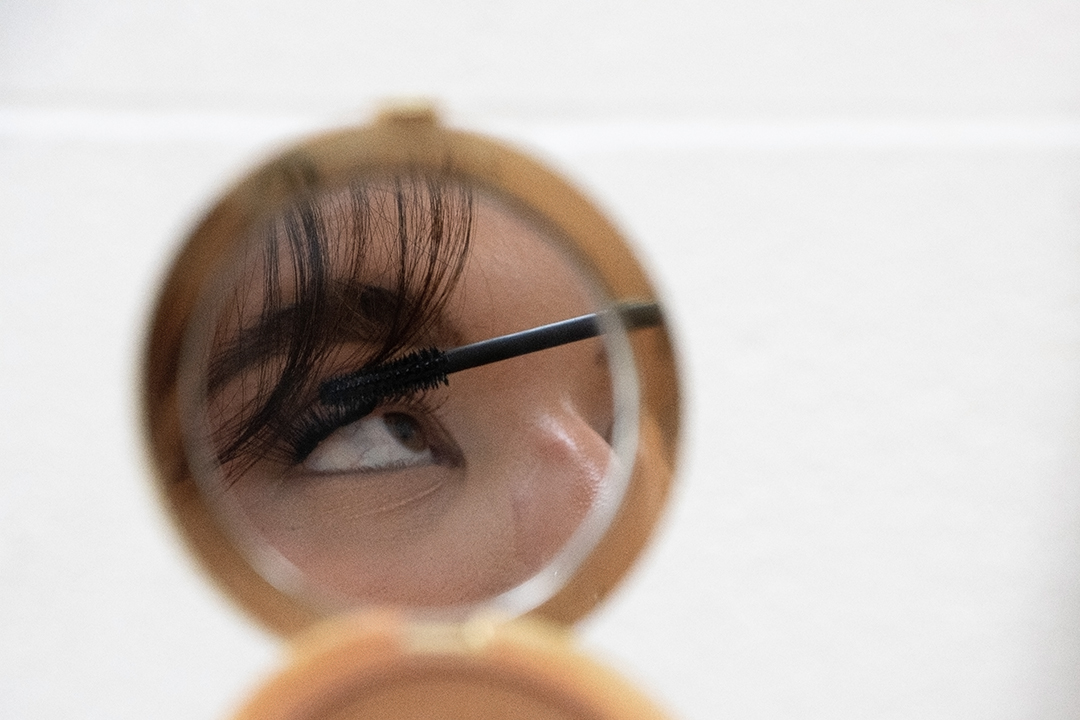
Concerns about cosmetic ingredients extend beyond PFAS.
A more recent study published in Scientific Reports last year analyzed 23 cosmetic products purchased through online marketplaces and tested them for metals, including chromium and nickel.
Researchers found varying concentrations, particularly in foundations and eye products. The authors noted some of the chemicals are more harmful than others.
In Canada, cosmetic companies must comply with Health Canada regulations and disclose ingredients, though PFAS may appear on labels under names beginning with “perfluoro.”
Diamond said oversight remains challenging in a rapidly evolving marketplace.
“It’s very hard for government to keep up with all the new chemicals being put on the market,” she said. “There’s something like 1.4 new chemicals added to the marketplace every second in the world. It’s impossible for scientists to have oversight, so manufacturers need to be more vigilant.”
She also questioned the pressure driving demand for high-performance beauty products.
“I think that beauty can be achieved without products,” she said. “And that as young people, it’s up to [them] to change the norm.”