





Beauty standards are everywhere, shaped by culture, friends and the rapid spread of online trends.
Those in the business of giving cosmetic procedures – and those who are contemplating getting them – describe a landscape where choice, pressure and responsibility collide.
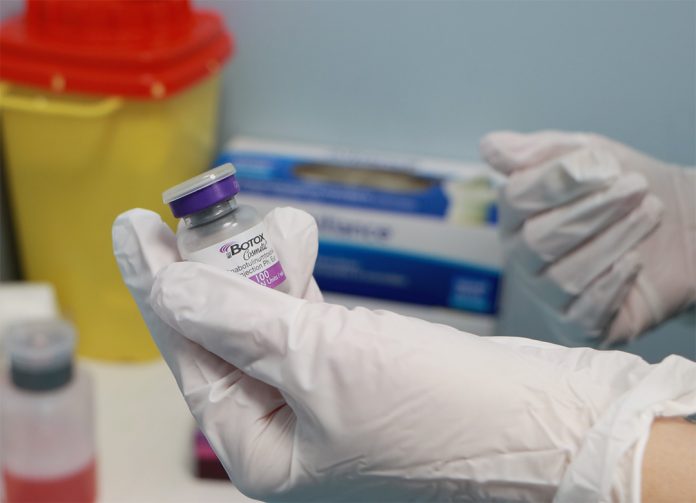
Registered nurse injector Kelly Grice, from MediDerma Medical Spa in Oshawa, says she’s noticed a clear change in who’s coming through clinic doors.
“So we are seeing a surge of younger people now that are coming in for cosmetic treatments,” she says. “A lot of them are starting earlier so that they might not need quite as much later.”
As someone who works with cosmetic injectables, she warns that the expectations people bring with them aren’t always realistic.
“If a patient has brought in a photo that we know is from social media or even is AI generated, it’s definitely a conversation that we have to have, bringing some people back down to reality,” she says.
Grice also points to mental health as a common motivator for treatment.
“Probably the number one reason why we hear people saying they’re coming to get treatment is because they just want to feel good about themselves,” she says. “Self-care is definitely a thing. Mental health is definitely an important issue to talk about with any age group, regardless of when you were born.”
Students on campus describe the same mix of influence and reaction.
Kiki Giacomini says beauty standards vary widely by group.
“People who play sports and are like sports is their life, they have their own standards of what they want to look like, fashion-wise, body-wise,” she says. “But then, if you look into another subculture – something completely opposite – you’ll see that their standards are completely different.”
Giacomini highlights social media’s speed and reach.
“Whatever they say in that video instantly gets spread out to thousands and millions of viewers,” she says. “Sometimes it’s harmful.”
Ellyssa Sunday says those standards appear in everyday campus life.
“I will see so many different groups of people. It’s the way that their behaviour is, the way that they’re dressed, the way that they present themselves,” she says.
She also cautions against seeking approval online.
“Once you reach a point where you genuinely just don’t care and you do it for yourself, that is when you feel the most happy because you’re not being told what to do,” she says. “You’re not being dictated, you’re just doing it for yourself.”
Grice encourages students to pick trusted practitioners if they do pursue treatments.
“It’s important that you find a provider that maybe your friends trust, someone that you would allow to work on your mom or allow to work on your dad or allow to work on your baby brother or sister,” she says.