




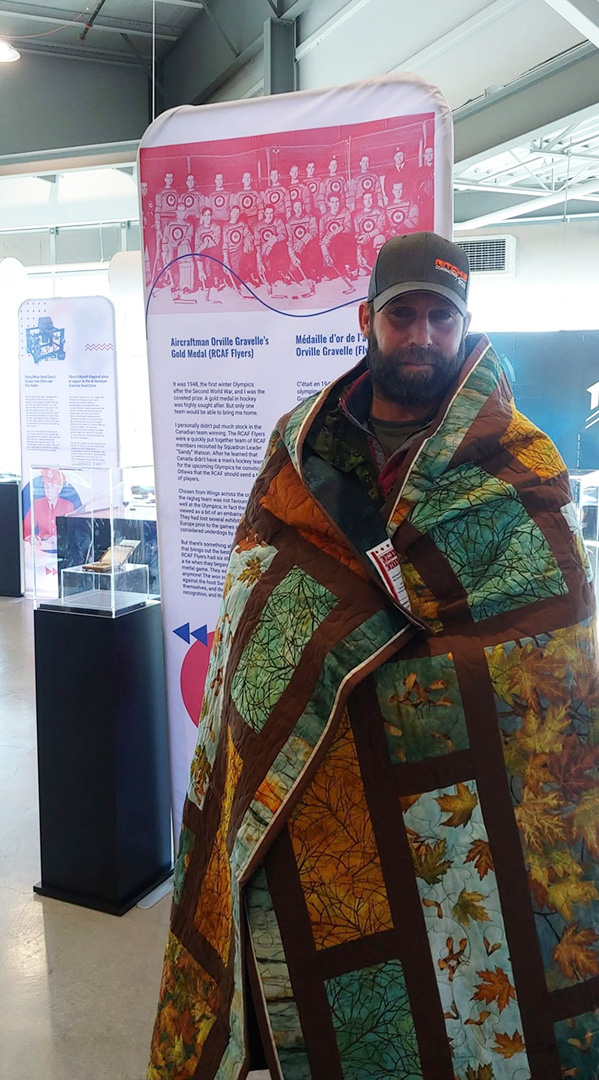

A Canadian Forces veteran in Cobourg is calling for more support for military personnel like him who have fought in conflicts around the world on their own time.
Jamie Challice, 46, travelled to Ukraine four times since the start of the war with Russia in 2022, each trip pulling him closer to the front lines.
He went absent without leave (AWOL) from the Canadian Forces to join the fight, receiving an honourable discharge before transferring to the Ukrainian military.
Canada’s initial response saw it deploy about 300 members of the Canadian Armed Forces through Operation UNIFIER to train Ukrainian troops. But for Challice, who wasn’t among them, that wasn’t enough.
“Three weeks after the war started, I went there to go train troops,” he said.
He began in Odesa, training Ukrainian troops and civilians such as farmers, mechanics and teachers to handle weapons. He was then pushed into an assault unit and sent to Mykolaiv, where Russian forces had already breached the city.
“We had to push them out,” he said. “It was eye-opening, something you would never believe would ever happen.”
For nine months, he conducted reconnaissance and assault missions, recovering fallen soldiers from the front lines on a daily basis and later, in Pokrovsk, he joined a specialized assault team.
Returning home didn’t bring closure.
He felt drawn back to the war and made additional trips. The last was spent building communications systems to replace Starlink.
“We had to go to the front lines and set up antennas in trees and on buildings,” he said. “Then we provided a bridge of signal so the drones can actually communicate with each other.”
But the hardest battles came after he came back to Canada.
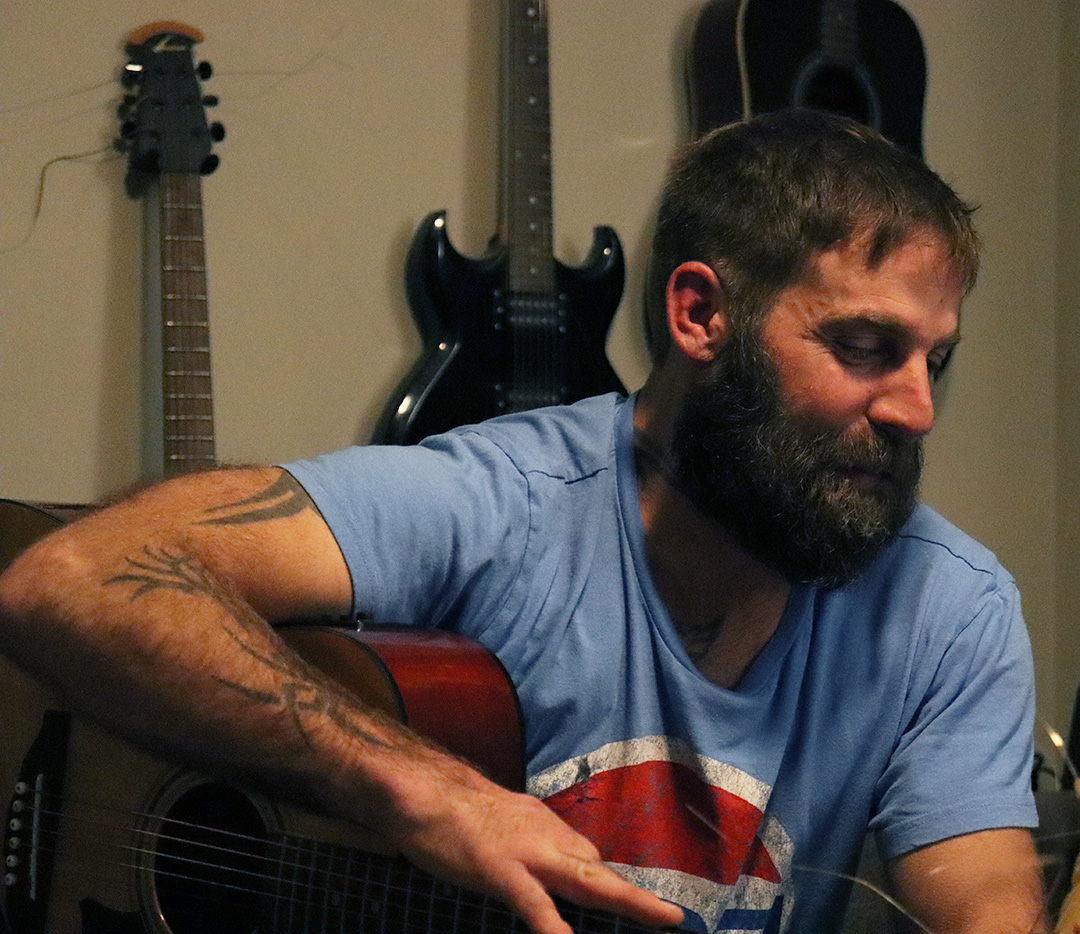
Challice says navigating mental-health support through Veterans Affairs Canada left him feeling shut out. He says it was difficult figuring out where to go for help and there were too many forms to fill out.
“When you call Veterans Affairs, they just basically close the doors on you,” he said. “There’s so much to it, which there shouldn’t be.”
He says he has watched many veterans struggle with PTSD, isolation and homelessness, and the system remains too complicated and slow to help those who need it most.
With little clarity on where to turn, he eventually found support through The Veteran Farmer, a peer-based organization that helped connect him with counselling and guided him through the maze of available services.
Still, he says daily life remains an uphill climb.
“I’m really proud of what I did,” Challice says, “but I’m just kind of going day to day, trying to get through small little things in my head. Once you’re in it, you just really can’t get out of it.”
Veterans Affairs Canada (VAC) maintains that services exist nationwide, including in rural and northern communities, through local offices, Service Canada points, remote visits, online resources and 24/7 counselling.
“Whether through in-person visits, virtual care, or community partnerships, VAC is committed to ensuring that every Veteran—no matter where they live—has access to the mental health support they deserve,” it said in an emailed statement.
However, Challice argues forms, jargon, eligibility rules and long waits often stand between veterans and the help they urgently need.
“You get turned away at the door, and you’re left to figure things out on your own.”
Despite everything he experienced, Challice still believes in the mission he joined. But today, his focus is on recovery and on his family.
“I’d go back,” he said. “Am I allowed to go back? Probably not, but that’s because my wife and my kids won’t let me.”